
Featured




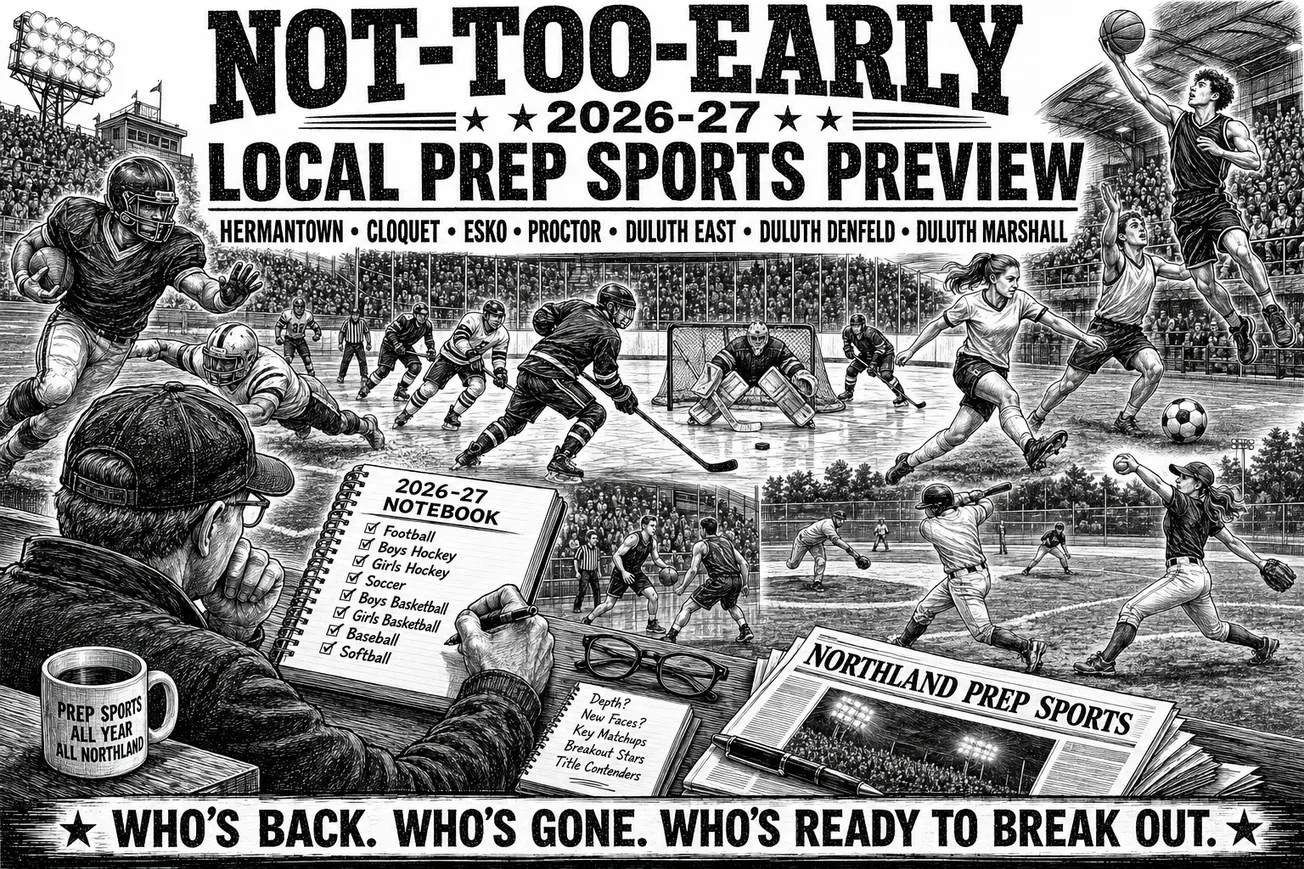
Howie: Hermantown football has the pieces. Now comes the hard part.
The question is whether the senior class can transform potential into production, close the gap on Grand Rapids and bring a Section 7, Class 4A championship trophy back to Centricity Stadium.
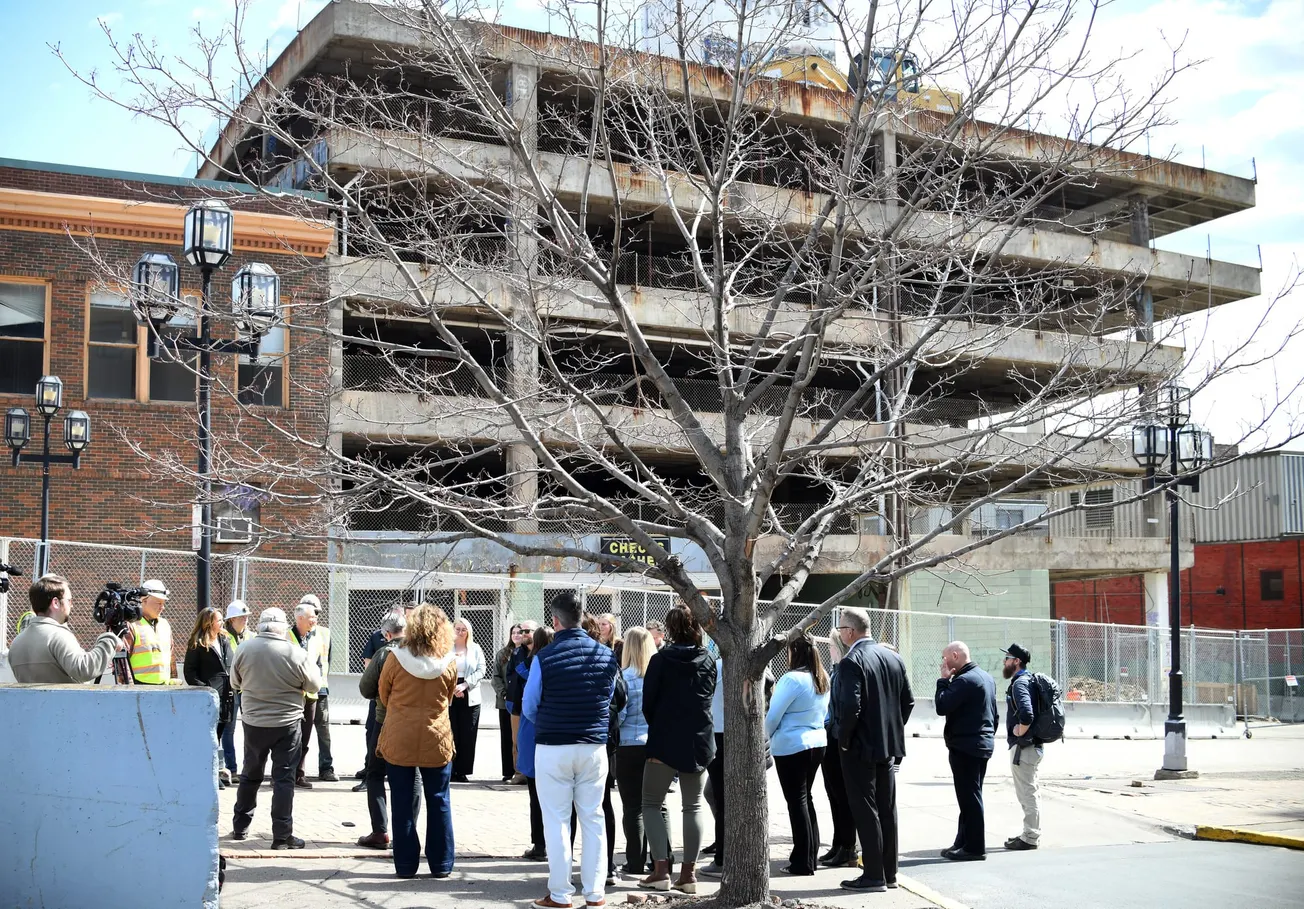
Howie: Duluth's civic theatre at 6 and 10 p.m.
Unfortunately, the new currency of leadership is visibility. You’re judged not by budgets balanced or streets repaired, but by how many times your face appears on a feed. The ribbon-cutting is no longer the celebration of work done; it is the work.
Howie: Jordan Sewell will drive the bus for Cloquet-Esko next season
Sewell has a chance to become one of the premier players in northeastern Minnesota, and the Lumberjacks have enough returning talent around him to remain a factor in Section 7A.

Howie: The 10 people who helped reinvent Duluth
The modern Duluth enjoyed by residents and visitors did not emerge by accident. It was built by people willing to invest their talent, resources and leadership in a city they believed could become more than its industrial past.
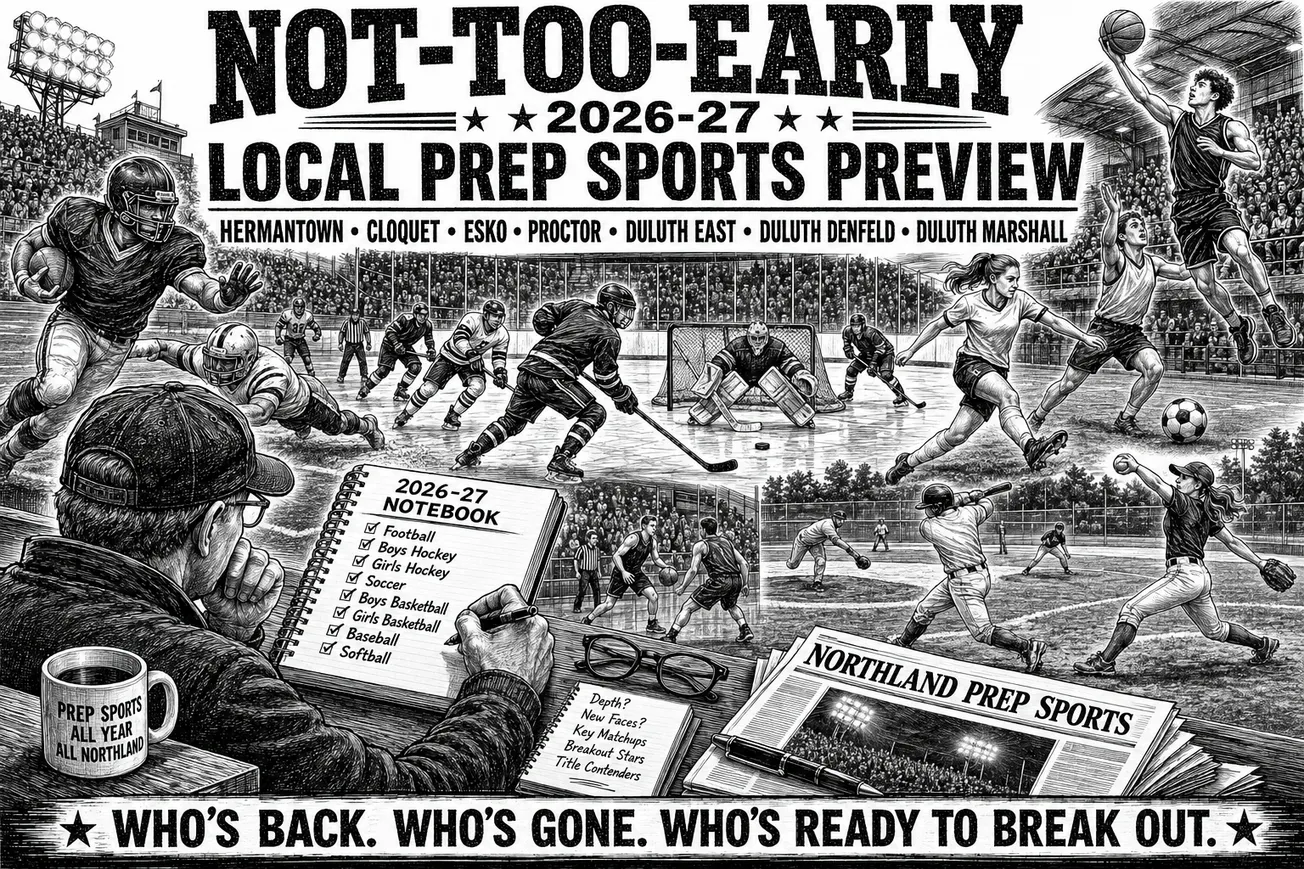
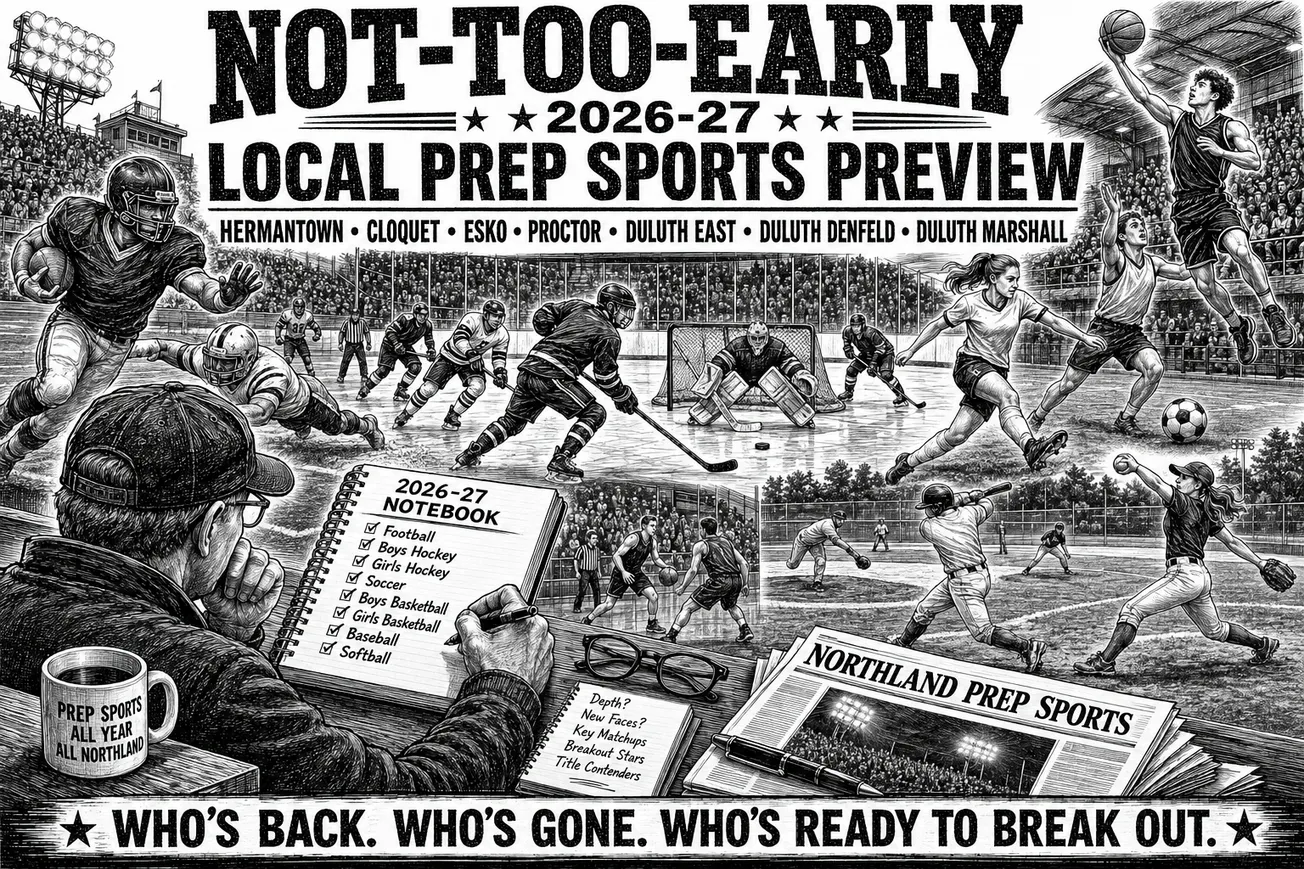
Howie: Hermantown will give favorite Hibbing-Chisholm a run in 7A next season
Senior forward Beau Christy (27 GP, 27 G, 17 A, 44 Pts) is the player everyone in Class A should know entering next season. He led Hermantown in goals and points and averaged 1.63 points per game. Nearly 40 percent of his points came from goals.

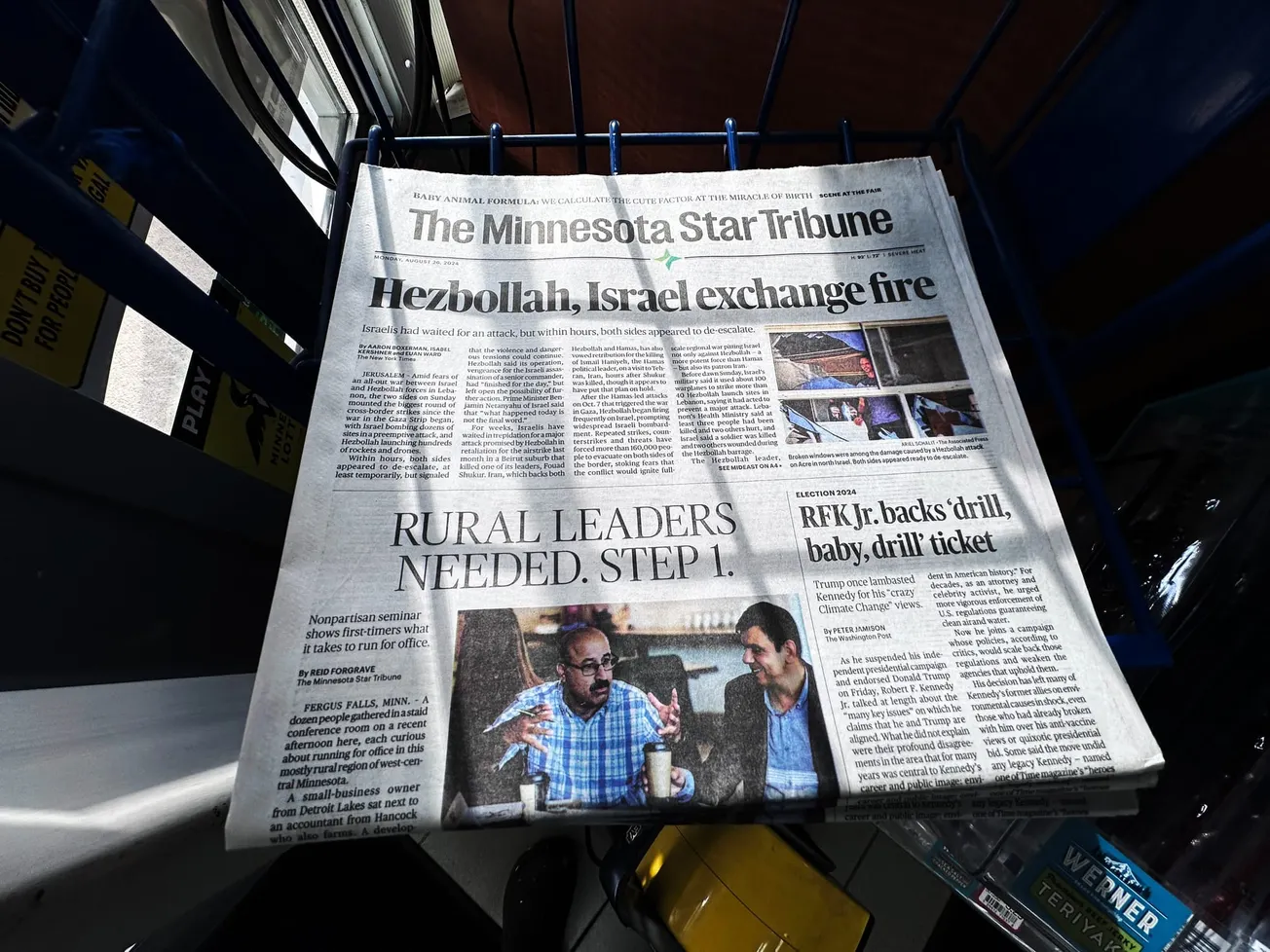
Howie: The Minnesota Star Tribune’s future may no longer belong to one owner. And that might be the point.
What happens next at the Minnesota Star Tribune may become one of the clearest signals yet about how major regional journalism survives the next generation in America. Not as a dying factory. Not as a billionaire toy. But as an institution Minnesota ultimately may decide is still worth protecting.



Howie: Duluth's civic theatre at 6 and 10 p.m.
Unfortunately, the new currency of leadership is visibility. You’re judged not by budgets balanced or streets repaired, but by how many times your face appears on a feed. The ribbon-cutting is no longer the celebration of work done; it is the work.
Howie: Duluth needs summer more than ever
Duluth residents simply need this summer emotionally. They need concerts at Bayfront and families along the Lakewalk. They need baseball games, festivals and tourists asking directions. They need reminders that life cannot become an endless cycle of bills, politics, inflation, anxiety and survival.
Howie: Bayfront still may be Duluth’s best idea
Bayfront remains one of the few places where the city still functions the way a healthy city is supposed to function: as a shared public space where people continue gathering together because they genuinely want to be there. Every summer, Duluth remembers that again.
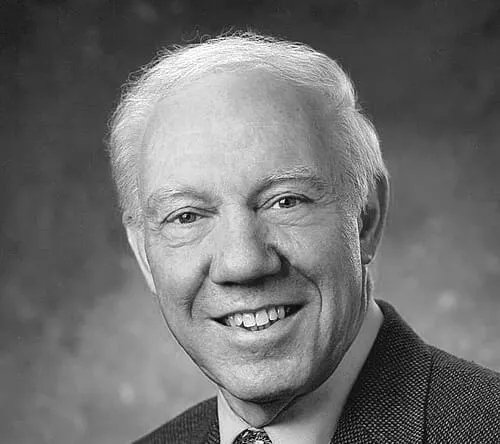
Howie: Jim Oberstar understood Washington better than anyone
Oberstar approached Congress differently. He understood it as machinery requiring relationships, technical credibility, negotiation and committee leverage rather than ideological performance.