
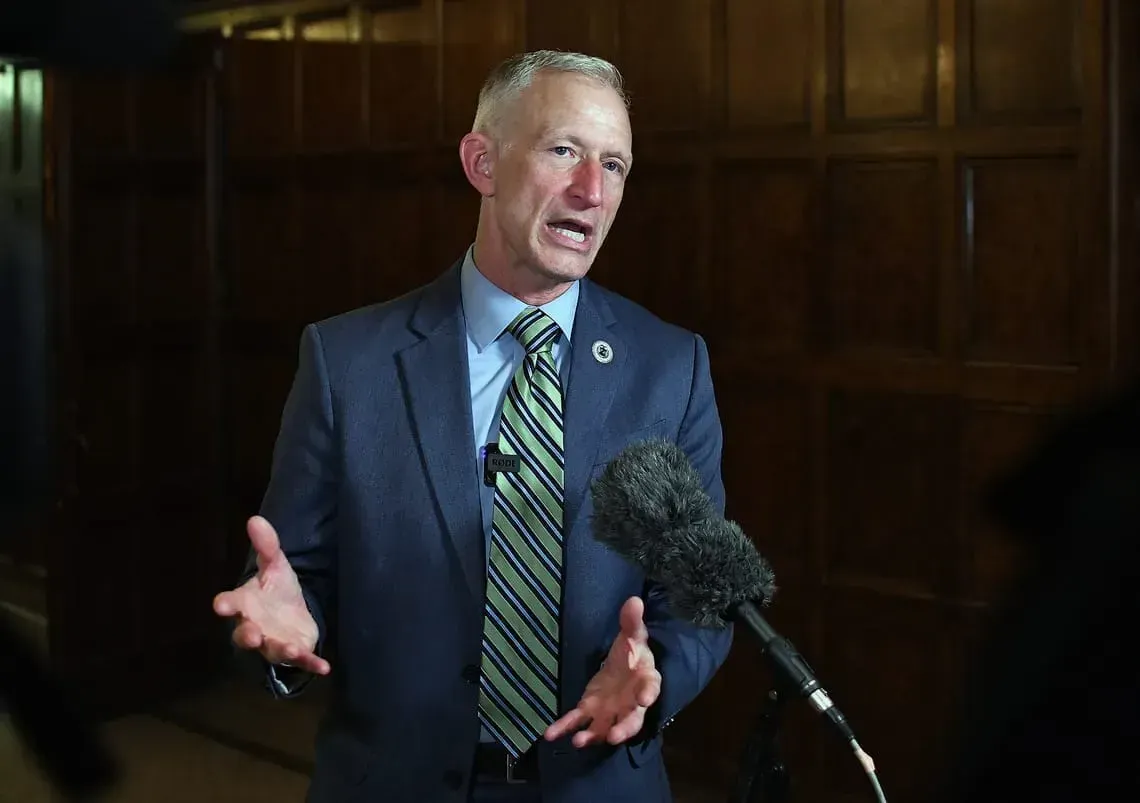
Roger Reinert has a decision to make. Duluth’s organized left has an opportunity to consider. The mayor is weighing whether to seek a second term in 2027. Progressive organizers, meanwhile, have helped elect candidates to local office and have reason to consider what a serious challenge for the city’s highest elected position might look like.
The candidate, coalition and campaign have yet to emerge publicly. But the ingredients for a competitive election deserve attention.
When Reinert discussed his political future in September, he said he expected to address it in early January, after taking time over the holidays to think. He spoke about unfinished work and the benefits of consistent leadership. That is a recognizable argument for another term. It is also an argument voters will expect him to substantiate.
Continuity has value when people believe their city is moving forward. A reelection campaign would require Reinert to explain where Duluth has improved under his leadership, where progress has fallen short and why four more years would produce better results.
Downtown would be central to that discussion. So would housing, streets, municipal services and the pressure property taxes place on household budgets.
Reinert would have the opportunity to make his case with the visibility and experience of an incumbent. He would also carry responsibility for his administration’s decisions.

That is the bargain of seeking reelection. Across the political landscape, organizers have their own evidence to examine.
Kris Eilers’ victory over incumbent St. Louis County Commissioner Annie Harala this month deserves particular attention. Twin Ports Democratic Socialists of America supported Eilers and described door-knocking as a central part of its election work.
The chapter’s record also includes endorsements of successful candidates such as County Commissioner Ashley Grimm and Duluth City Councilors Wendy Durrwachter and David Clanaugh.
These victories demonstrate that DSA-backed candidates can win local elections. They give the organization experience recruiting volunteers, reaching voters and sustaining campaigns.
They do not establish that Duluth voters are ready to elect a DSA-backed mayor. That would require a candidate and a citywide campaign capable of earning support across neighborhoods and beyond an existing political base.
Still, dismissing the possibility would be a mistake.

An organization that regularly puts volunteers at doors has something valuable: people willing to do the repetitive, time-consuming work of politics. Those conversations can help a campaign learn which concerns are driving voters and which promises leave them unconvinced.
The next question is whether that organizing strength can support a mayoral candidate with the judgment and credibility to lead the city.
That distinction matters. Electing a mayor means choosing the person who will oversee an administration, propose budgets, manage competing demands and be held accountable when services fail.
A challenger would need to explain how ambitious goals become workable decisions.
What housing policies would the candidate pursue? How would those policies be funded? What would the administration do about downtown? How would it protect essential services while responding to residents who cannot comfortably absorb another increase in their bills?

Those questions should be asked of every candidate, including Reinert.
The strongest challenge would connect a clear governing plan to concerns residents already experience. It would give voters reasons to support a different administration beyond their frustration with the current one.
Reinert, should he run, would need an equally concrete response. Pointing to a challenger’s ideological affiliations would tell voters little about whether their street will be repaired, their neighborhood will attract investment or their city government will become more effective.
Political labels will inevitably be part of the discussion. They should not become a substitute for examining proposals and performance.
Nor should Eilers’ victory be interpreted as proof that everyone who voted for her embraced democratic socialism. Voters can support the same candidate for different reasons: environmental policy, transparency, professional experience or a desire for change.

Understanding that range of motivations will be essential to anyone trying to build a citywide coalition.
For now, there is no publicly established Reinert-versus-DSA matchup. There is an incumbent considering his future and an organized left with electoral successes that could help support a substantial challenge. That is enough to make the coming months important.
Duluth would benefit from a competitive campaign that forces candidates to explain their choices, defend their records and show how their plans would work. Residents deserve specific answers about the city they live in and the services they help pay for.
If Reinert seeks another term, he should expect to make a full case for it. If the organized left helps field a challenger, that candidate should expect the same scrutiny.
The opportunity is there. Someone still has to earn it.