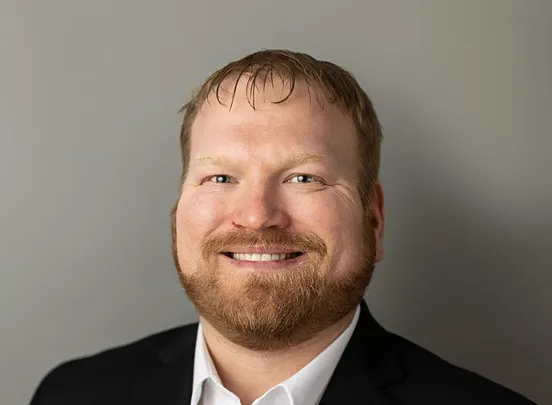

Howie Hanson is Minnesota’s Columnist, writing about power, money, sports and civic life across the state. This column is sponsored by Lyric Kitchen . Bar of Duluth.
Minnesota has entered one of those rare political seasons when the resume on the table matters more than the rhetoric around it.
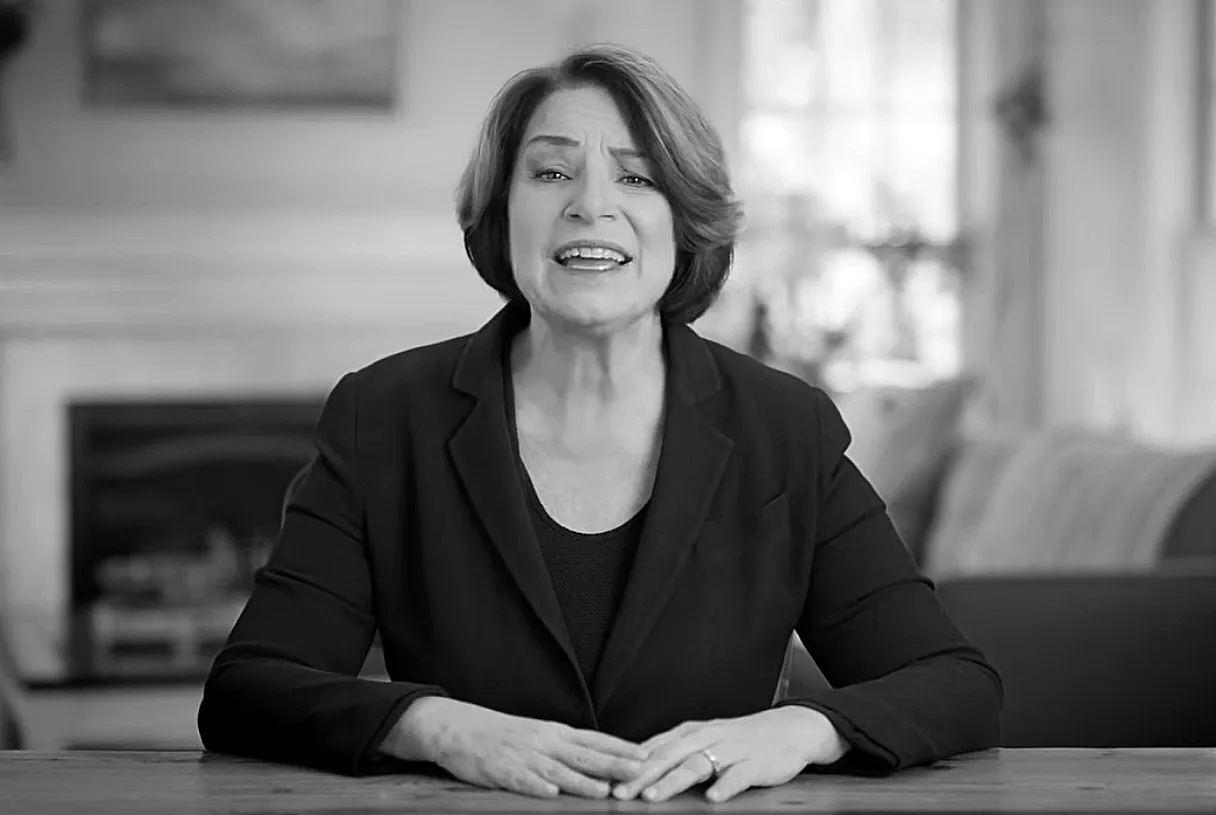
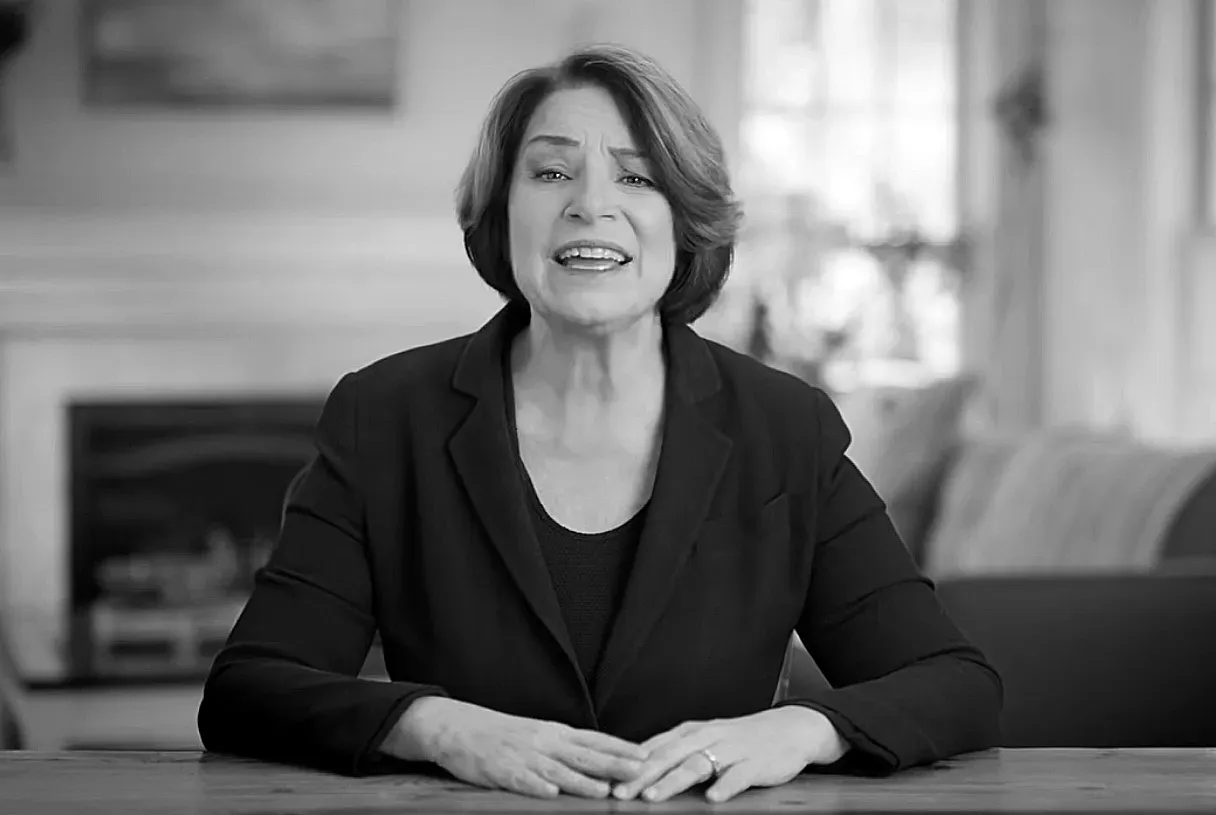
Amy Klobuchar, three-term U.S. senator, former Hennepin County attorney, and one-time presidential candidate, announced that she is running for governor. She did not announce from a triumphal stage. She did not announce with policy white papers or partisan fireworks.
She opened with grief.
“Minnesota. We’ve been through a lot,” she began. She cited the murder of a “beloved leader and her husband,” the shooting of children in a church, and the killings of “Renee Goode, a mom of three, and Alex Pretti, a nurse who took care of our veterans.” She described “3000 ICE agents on our streets and in our towns sent by an administration that relishes division.”
“We cannot sugarcoat how hard this is,” she said.

This was not the language of a rising star. It was the language of a politician stepping into what she believes is a vacuum.
The subtext of Klobuchar’s announcement is unmistakable: Minnesota is unsettled. The state has endured public safety failures, federal-state clashes over immigration enforcement, and mounting questions about fraud in state programs at the end of Gov. Tim Walz’s tenure. Investigations into misuse of taxpayer funds and highly publicized ICE operations have left Minnesotans fatigued and suspicious of their institutions.
Klobuchar is not running against chaos so much as against drift.
“I believe we must stand up for what’s right and fix what’s wrong,” she said. That phrase — fix what’s wrong — is the spine of her message. It is managerial. Not ideological. Not visionary. Managerial.

She frames her candidacy around three principles: “One, get things done. … Two, I’ll bring people together. … Three, I’ll stand up for what’s right and fix what’s wrong.”
Notice what is absent. There are no sweeping culture-war declarations. No revolutionary economic blueprint. No detailed policy prescriptions in the announcement. Instead, she leans on credibility and process.
“I was ranked number one in the Senate for bipartisan bills and number three out of a hundred for getting bills passed into law,” she said. “I’m ready to work with leaders from both parties in our state.”
The message is competence.

Then she pivots sharply to fraud.
“I don’t like fraud or waste in government. That’s why I went after crime. As county attorney, I will make sure the people who steal taxpayer money go to jail and root out the fraud. By changing the way state government works, I will do my job without fear or favor.”
In a state still bruised by revelations of large-scale fraud schemes involving public funds, those words are not accidental. They are prosecutorial. They are designed to separate her from any perception of lax oversight during the Walz era without naming him directly.
This is where her experience becomes both asset and question mark.
Klobuchar is the definition of institutional continuity. She has spent nearly two decades in Washington. She knows federal agencies. She knows corporate leaders. She knows hospital systems and insurers — including Minnesota-based giants that shape the state’s healthcare economy. If she wins, she would likely arrive on Day One with phone numbers and leverage few governors possess.
That could mean stability. It could also mean entanglement.

When she says she will “protect the people of our state, all of them,” and calls for “more affordable healthcare for every student, farmer, dreamer and builder,” the natural follow-up is: how? Will she confront powerful Minnesota corporations when necessary? Or will her strength be forging partnerships with them? Her Senate career suggests she prefers negotiated solutions over frontal assaults.
The ICE line is the most overtly confrontational in the speech.
“I’m running for every Minnesotan who wants ICE and its abusive tactics out of the state we love every day.”
That is not a moderate phrasing. It signals where she is prepared to draw a bright line — against a federal administration she characterizes as divisive. It also sets up a potential constitutional clash. Governors do not control federal immigration enforcement. They can influence cooperation, but not eliminate federal presence. Voters will want clarity on what “out of the state” practically means.

There is another telling line: “I like my job in the Senate, but I love our state more than any job.”
That is legacy language.
Klobuchar does not need another title. She does not need a stepping stone. At this stage of her career, governorship is either a capstone or a gamble. If she wins and restores confidence in state oversight and public safety management, she becomes the leader who stabilized Minnesota after a turbulent period. If she stumbles, it will define the final chapter of a long public life.
Her announcement leans heavily on Minnesota mythology — “We mine the ore that won World War II. We invented everything from the pacemaker to the Post-It note.” It is familiar territory. She has used these references for years. It works because it reassures voters that she sees Minnesota as industrious, practical, and decent.

The word she returns to most is resilience.
“I want to be a transformative governor,” she says. “Now is our moment to renew our commitment to the common good.”
That is aspirational. But transformation in this moment will likely look less like sweeping reform and more like administrative repair: tightening oversight, restoring trust, reducing fraud exposure, navigating immigration tensions, stabilizing budgets, and convincing Minnesotans that government can “carry its weight and match your drive and hard work,” as she puts it.
The political calculus is straightforward. After a period marked by public safety shocks, high-profile investigations, and visible friction with federal authorities, voters may be less interested in ideology and more interested in steadiness. Klobuchar is betting that her long record and prosecutorial tone fit that mood.
The larger question is whether Minnesota wants a disruptor or a mechanic.

Her announcement suggests she believes the state wants a mechanic.
And she is offering herself as the one who knows where the bolts are loose.
The campaign will now test whether voters see her as the experienced hand who can “fix what’s wrong” — or as part of the same governing class they are increasingly skeptical of.
Either way, this is not a casual run.
It is a seasoned politician reading the room and deciding the room needs her.