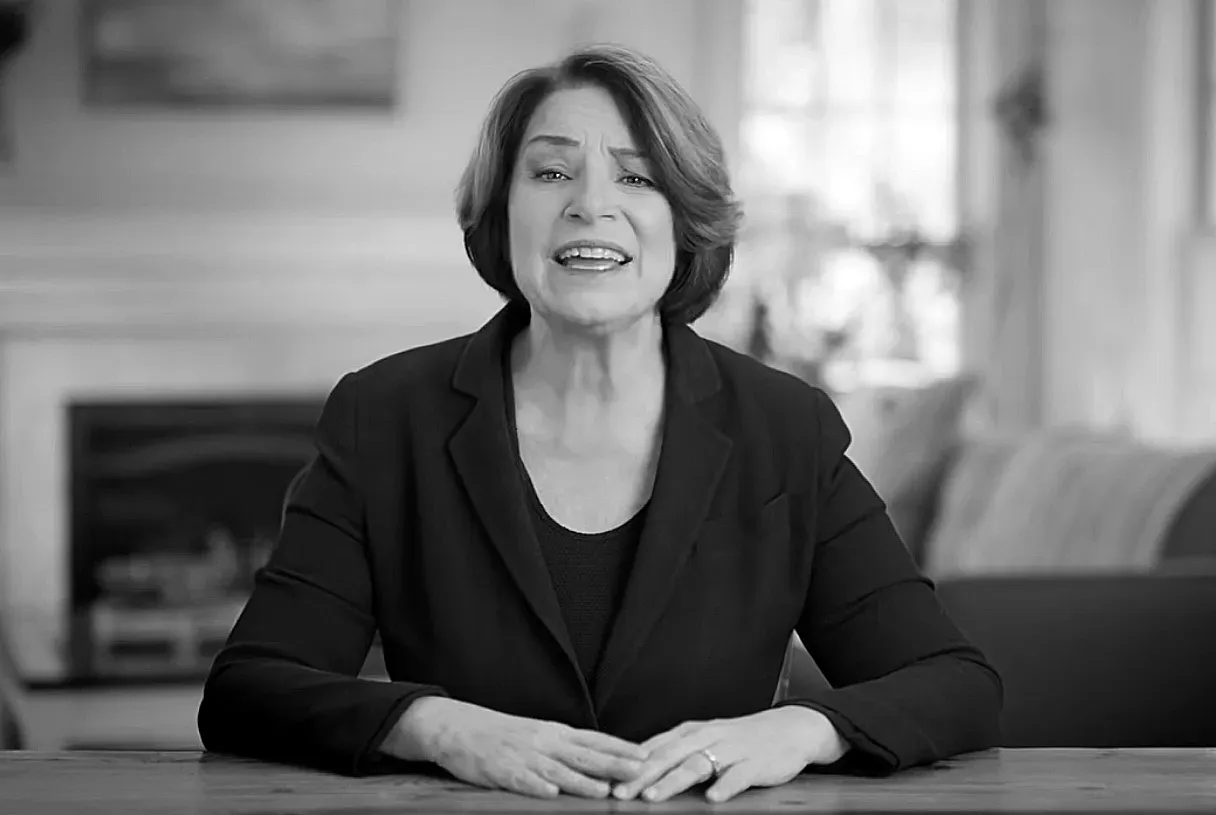

Howie Hanson is Minnesota’s Columnist, writing about power, money, sports and civic life across the state. This column is sponsored by Lyric Kitchen . Bar of Duluth.
Minnesota will not drift into 2050. It will arrive there — deliberately shaped by decades of accumulated decisions, demographic momentum and institutional math that is already visible. That is the central argument of my new book, Minnesota 2050, now available through Amazon.
This is not a speculative exercise. It is not a political pamphlet. It is not built around campaign cycles or ideological swings. It is a structural analysis of where Minnesota is headed if the forces already in motion continue. Much of the state’s mid-century trajectory is already locked in.
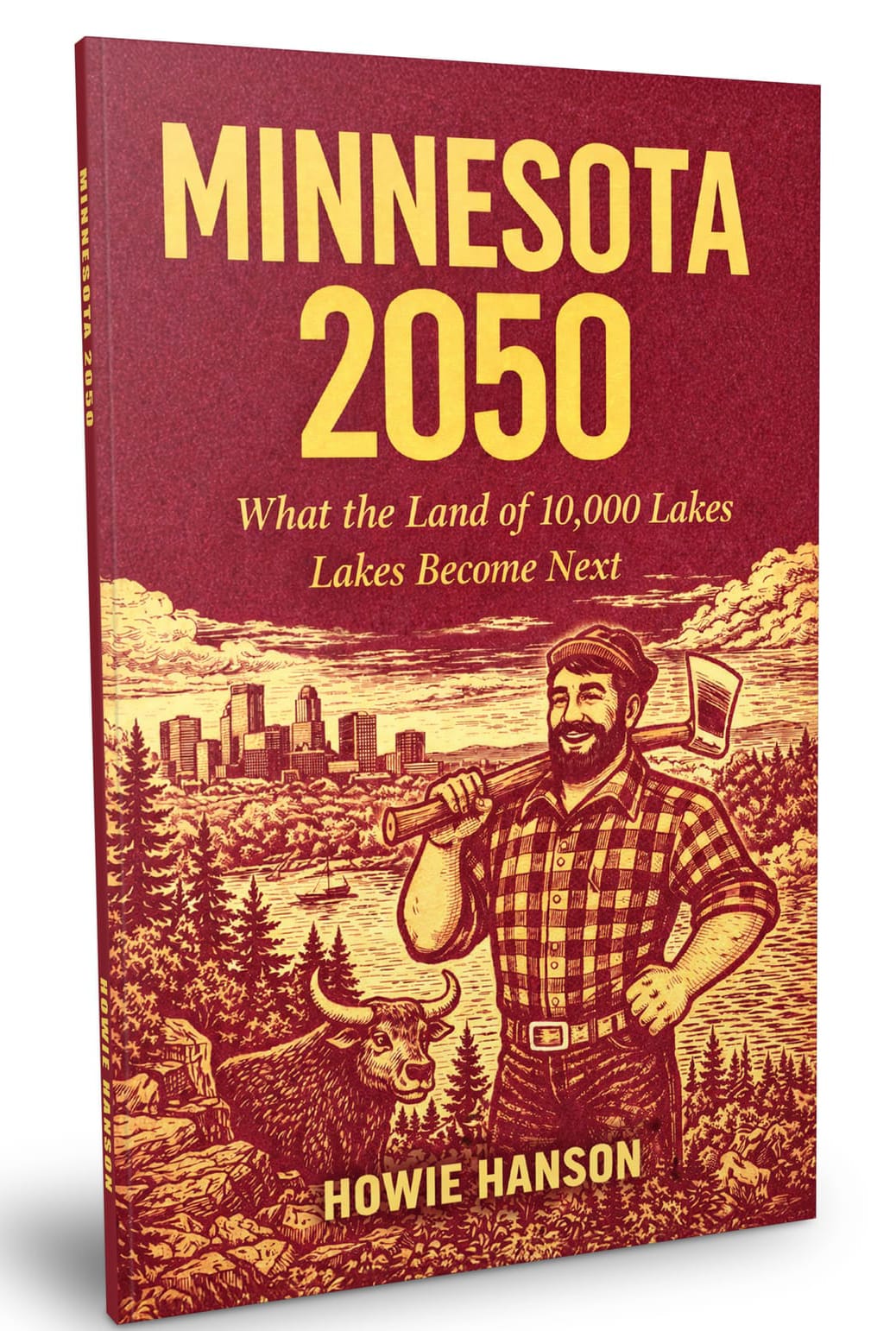
Demographics will not reverse because we prefer a different outcome. The workforce will not grow younger on its own. Housing pressure will not ease through rhetoric. Institutional capacity will not expand without trade-offs. Climate pressure will not announce itself with a siren; it will arrive as steady leverage.
Minnesota 2050 begins with a simple premise: states do not wake up surprised by what they have become. They arrive there through accumulation — budgets passed quietly, systems maintained beyond their useful life, others dismantled prematurely. The idea that Minnesota’s future remains entirely unwritten is comforting. It is also inaccurate.
By mid-century, Minnesota will function less as a single economy and more as several overlapping ones sharing borders and tax codes.
The metropolitan core will continue to generate wealth and political gravity. A defined set of regional hubs — large enough to sustain health care systems, higher education and logistics — will stabilize surrounding counties. Beyond them, a wide geography will operate in economic maintenance mode, sustained primarily by health care payrolls, public-sector employment and industries that no longer pretend to grow.
That is not decline. It is sorting.
For most of Minnesota’s modern era, growth was assumed. Population increased. School enrollments rose. Housing expanded outward. Public institutions were built for expansion.
That assumption no longer holds. The next 25 years will be defined by alignment — matching systems to a population that is older, more urbanized, more diverse and less evenly distributed than the one those systems were designed to serve.
Health care will sit at the center of that alignment. It already does. By 2050, hospitals, clinics and teaching centers will not merely support regional economies; in many areas, they will constitute them. Communities capable of recruiting physicians, nurses and specialists will stabilize. Communities that cannot will contract, regardless of local will or nostalgia.
Education will narrow and specialize. Labor shortages will intensify before they ease. Immigration will shift from abstract debate to practical necessity. Climate migration will arrive quietly, showing up in housing markets, school enrollments and infrastructure strain rather than headlines.
Lake Superior will grow more economically significant, not less. Shipping, tourism and freshwater security will converge there, drawing capital and scrutiny. How Minnesota manages that asset will define more than one region’s economic durability.
Politics will become more transactional. Consensus will be harder. The state’s self-image as uniquely pragmatic will be tested by sharper divides and tighter margins. Outcomes will matter more than posture.
Local media will thin further, but influence will concentrate. Authority will matter — not personality-driven influence, but credibility rooted in clarity and evidence. None of this is written to alarm. It is written to clarify.
Minnesota retains structural advantages many states envy: deep human capital, institutional continuity, freshwater resources and a governance culture that still understands long-term planning. But those advantages compound only when recognized and reinforced. Inertia compounds too.
Minnesota 2050 does not tell readers what to believe. It tells them what the numbers suggest. It traces trajectories system by system — economy, health care, education, labor, tourism, culture — and follows the math where it leads. Where the evidence is clear, the conclusions are direct. Where uncertainty remains, it is named.
Minnesota in 2050 will still recognize itself. The seasons will still organize life. High school sports will still matter. But beneath those familiar markers, the state will operate differently — leaner in some places, denser in others, more dependent on functioning systems and less forgiving of structural drift.
This is not a book for casual curiosity. It is a framework for understanding the state’s next quarter century.
If you care about where Minnesota is actually headed — if you work in government, health care, business, education, media, development or civic leadership — this is essential reading. The forces outlined here will shape budgets, careers, housing markets, school systems and regional stability whether we acknowledge them or not.
The future is already underway. Minnesota 2050 is an effort to examine it before the arrival feels sudden.