
Meyer is a Duluth architect and community builder. Reach him at tim.meyer@meyergroupduluth.com
Listening to Roger Reinert deliver his State of the City address last week, you could hear the urgency in the numbers and the fatigue in the pattern. For longtime residents, none of it felt new.
For more than three decades, Duluth has wrestled with the same structural problem: a city budget that strains to meet itself, a growing reliance on Local Government Aid, and a tax base that hasn’t kept pace with its ambitions. What was once roughly 16 percent dependence on state aid has climbed to about 34 percent in the 2026 outlook. That’s not a fluctuation. That’s a trajectory.
Meanwhile, the symptoms are visible at street level. Downtown foot traffic has thinned. Housing is short by thousands of units. Property taxes have climbed sharply in many neighborhoods. Homelessness, by multiple local accounts, has worsened in recent years. The result is a city carrying more financial pressure with fewer organic ways to relieve it.
This is not a failure of awareness. Duluth knows its challenges. The issue is execution — and, more specifically, whether the city is willing to create the conditions that allow private investment to do what public systems have not.
Because the path forward is not especially complicated.
It begins with a shift in posture. Duluth has to move beyond saying it is open for business and begin operating like it is. That means actively recruiting outside investment, signaling predictability, and demonstrating — through policy, not press release — that projects can move from concept to construction without unnecessary delay.
Permitting is the second hinge point. The city once experimented with a streamlined “one-stop shop” model under former mayor Don Ness. The idea was simple: reduce friction, accelerate timelines, and remove the perception that Duluth is a difficult place to build. A modern version of that approach — including automatic approvals for projects that meet code and are designed by licensed architects and engineers — would not be radical. It would be competitive.
Across fast-growing regions of the country, particularly in the Sun Belt, that kind of system is standard. Development follows clarity. When barriers drop, investment rises.
Duluth has no shortage of opportunities ready for that shift.
The Lester Park Golf Course property offers enough land to support a large-scale, privately driven development that could include housing, recreation and a neighborhood commercial center. The long-discussed Central High School site presents a chance to reintroduce substantial residential density into a central corridor. The former Kmart site in West Duluth could anchor a mixed-use district with housing, retail and restaurant activity tied to strong freeway access.
Then there is the quieter, less visible inventory: scattered infill lots across the city that, if organized into a transparent and accessible database, could unlock incremental housing growth block by block. These are the kinds of projects that rarely make headlines but collectively reshape supply.
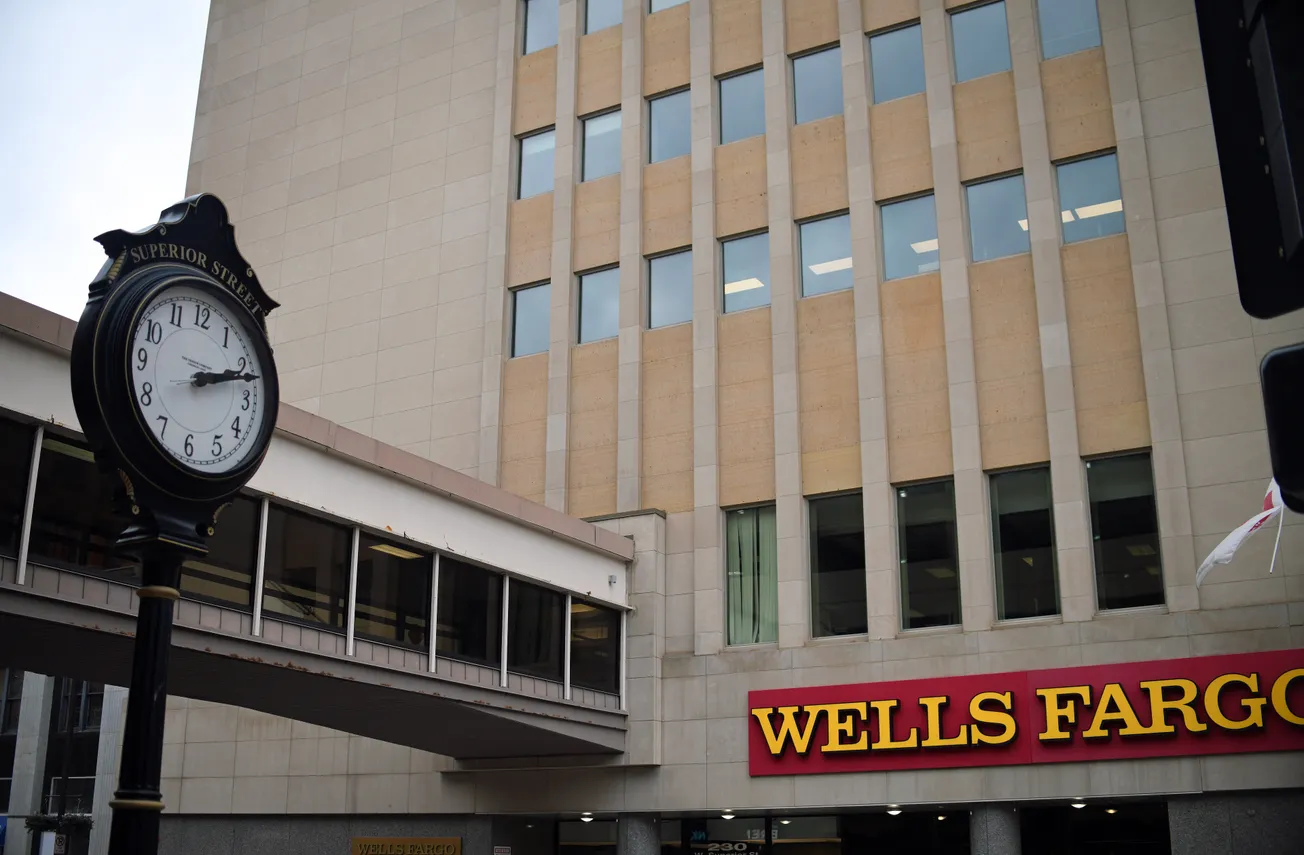
And above all sits downtown — still the city’s most important, and most unsettled, economic engine.
Downtown redevelopment will not happen through sentiment. It requires a catalyst. One concept — bringing institutions such as University of Minnesota Duluth and College of St. Scholastica into a more central footprint — reflects a model used successfully in other regional cities, where education, housing and commercial activity reinforce one another. The goal is not nostalgia. It is density, energy and sustained foot traffic.
From there, the fundamentals follow: more housing, more street-level business activity, improved public spaces and infrastructure that makes the area usable year-round. Even long-range ideas — including faster regional rail connections — fit into a broader vision of making downtown a destination again, not just a memory.
All of this ties back to a basic economic truth. Housing is a supply-and-demand equation. Increase supply, and price pressure eases. Expand the tax base, and reliance on state aid diminishes. Encourage private investment, and public dollars can be used more strategically rather than stretched thin.
Duluth has already seen glimpses of this dynamic work. The transformation of Lincoln Park from an underutilized industrial corridor into a thriving district did not happen by accident. It happened because conditions aligned, investment followed, and the city allowed momentum to build.
The lesson is not that every project will succeed. It is that progress requires participation — from developers, from institutions and from city leadership willing to remove obstacles rather than manage decline.
Duluth does not lack ideas. It lacks urgency in acting on the ones that are already on the table.
If the city wants a broader tax base, a stronger housing market and a more stable financial future, the strategy is clear: welcome investment, streamline the path to building, and let the market do what it does best when given the chance.
The alternative is to continue managing scarcity. And after 35 years of watching the same cycle repeat, Duluth should know exactly where that leads.