Table of Contents

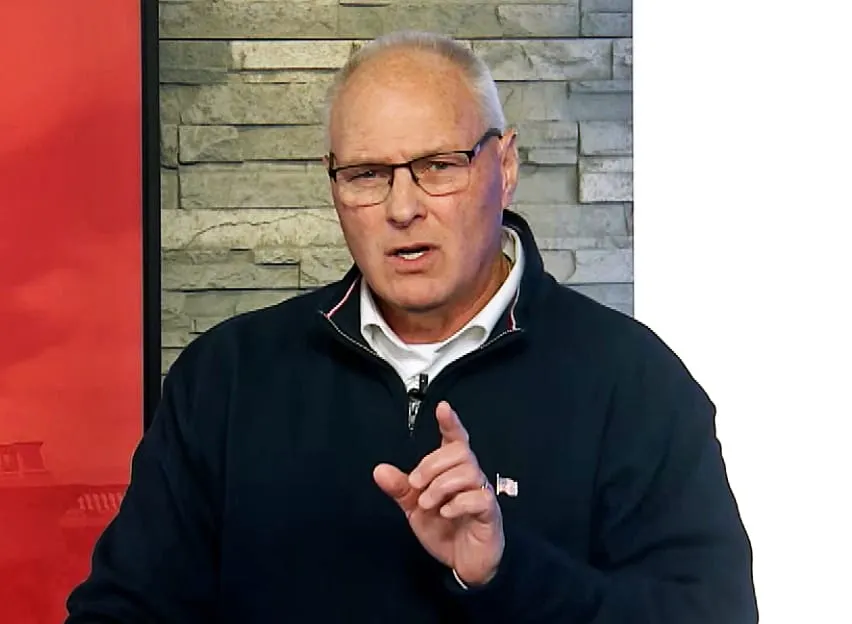
Tim Meyer is a Duluth architect and community builder. Reach him at tim.meyer@meyergroupduluth.com
West Duluth does not need another glossy redevelopment study, another round of listening sessions or another ambitious rendering that never advances beyond City Hall. It needs sustained investment, practical planning and a clear commitment to the neighborhoods and business districts that have long formed the working-class backbone of this city.
The Spirit Valley corridor offers an obvious place to start. Its commercial buildings, surrounding neighborhoods and existing infrastructure provide the foundation for redevelopment that can strengthen local businesses, expand housing opportunities and restore confidence in an area too often treated as secondary to downtown or the waterfront.
The question is whether city leadership intends to deliver measurable improvements or settle for another planning exercise.
Mayor Roger Reinert and the Duluth City Council have opportunities to reshape how the city approaches development, housing and neighborhood investment. West Duluth should be central to those discussions. Redevelopment cannot mean simply recruiting outside developers, producing attractive proposals or waiting for market conditions to improve. It must address zoning, public infrastructure, building rehabilitation, housing affordability and the needs of the people already living and working in the community.
I bring a particular perspective to that discussion. During eight years on the Duluth Planning Commission and through my service with the Duluth Housing and Redevelopment Authority, I saw how municipal decisions influence what gets built, where investment occurs and which neighborhoods benefit. My architectural work throughout the region reinforced another lesson: Good development begins with understanding the people a project is supposed to serve.
Spirit Valley does not need to imitate another neighborhood. Its strength comes from its identity, history and connection to the residents who depend on its businesses and services. Any serious redevelopment strategy should protect that identity while making room for new housing, updated commercial space and improvements that help the district compete.
That also means taking a hard look at underused buildings. Duluth and Superior have historic structures that could support housing, small businesses and mixed-use development if local governments approach preservation and redevelopment with greater flexibility. My experience with the Superior Historic Preservation Commission showed me that older buildings can remain productive community assets without sacrificing their architectural character.
Housing will be another continuing focus. Northern Minnesota needs more affordable and supportive housing, but need alone does not produce results. Construction costs, workforce shortages, financing limitations and zoning decisions all determine whether proposed projects become homes. My work on the Duluth Housing and Redevelopment Authority’s executive committee, which concluded earlier this year, strengthened my interest in examining those obstacles and the public investments required to overcome them.
Regional development also should reflect the communities it serves. My architectural work with Native nations on government, education and community buildings has demonstrated the value of listening before designing. Culturally responsive planning is not an optional feature. It helps determine whether a building or neighborhood reflects the people who use it and whether a project earns lasting public support.
Smaller communities offer lessons as well. Sandstone, Minnesota, remains an example of the broader question facing cities and towns across the region: How do we build neighborhoods that encourage people to know one another, look out for one another and remain connected? Housing design, public spaces and neighborhood planning can either strengthen those relationships or reinforce isolation.
I expect to explore those issues in the months ahead, including through volunteer involvement with Community Action Duluth and efforts to rebuild Western Lake Superior Habitat for Humanity. Both organizations operate close to the practical challenges families face, from economic instability to the shortage of attainable housing.
Politics will be part of the conversation, too. Development decisions do not occur in isolation. They reflect the priorities of elected officials, the strength of neighborhood advocacy and the willingness of local government to confront difficult choices. As I consider another run for public office, I intend to examine those questions directly.
For now, the place to begin is West Duluth. Spirit Valley does not need another promise that its turn is coming. It needs evidence that its turn has arrived.