By Deena Winter, Minnesota Reformer
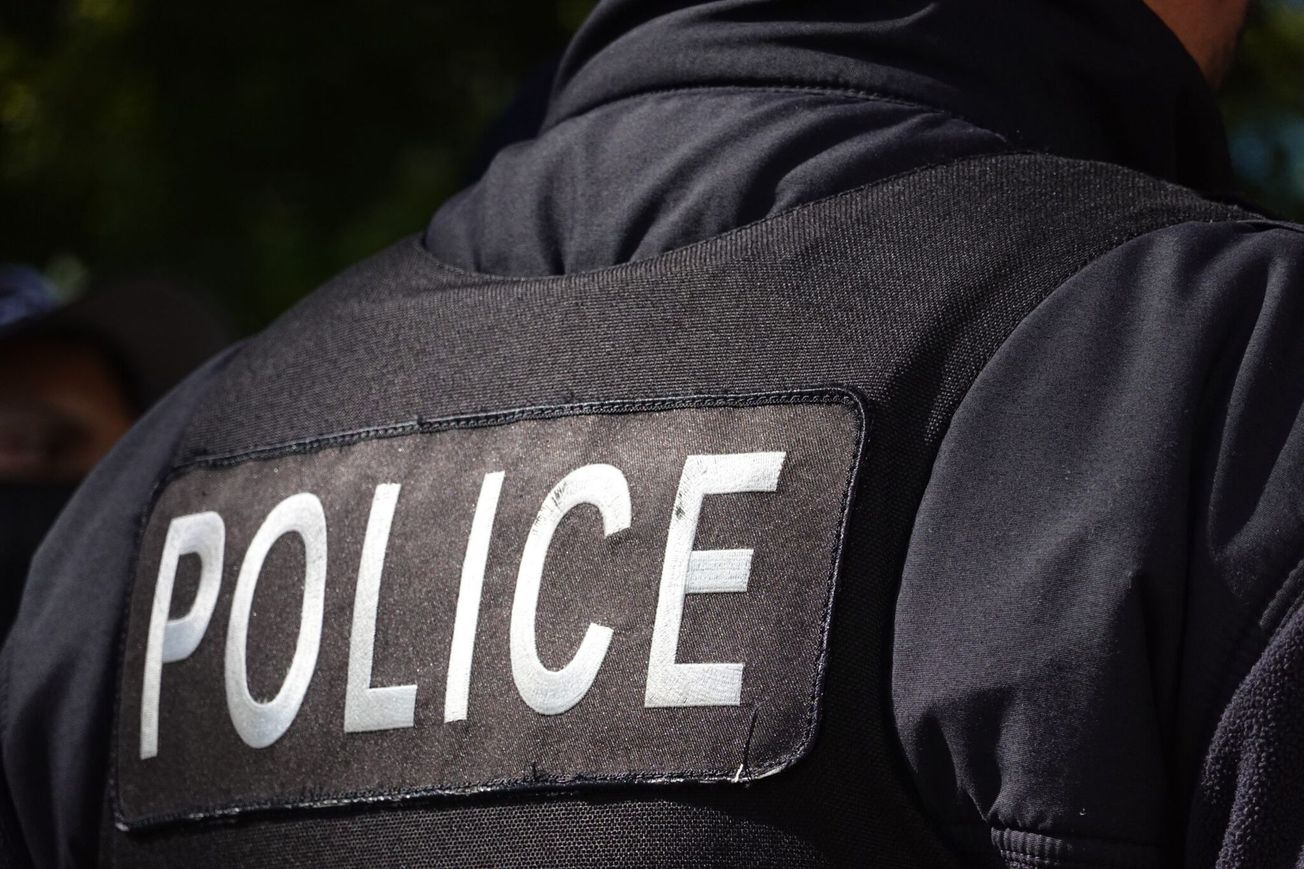
A new report found more than $160 million has been shelled out by Minnesota cities and counties for 495 police misconduct cases from 2010 to 2020.
Of the 71 jurisdictions that reported payouts, Minneapolis — which sparked international outrage when police officers killed George Floyd in 2020 — accounted for 177 of the 495 payouts, for a total of $136 million. (The total doesn’t include the 2021 payout to Floyd’s family, totaling $27 million.)
Minneapolis has made other significant payouts since 2020, including $1.5 million to Jaleel Stallings for the beating he took after mistakenly firing at MPD officers.
Bloomington had the next most in the study, at 126 payouts, followed by St. Paul with 47.
Hamline University Professor David Schultz and his students — with support from government transparency nonprofit Public Record Media — collected data from 239 Minnesota entities, and found nearly 30% reported paying money for misconduct cases.
“There are millions of police-civilian interactions every year and most occur without incident,” Schultz said in a press release. “We cannot make good policy unless we first know what the scope of the problem is.”
Over 40% of the incidents lacked detail explaining the type of misconduct — and nearly 89% of those happened in Minneapolis.
Minneapolis stood out in terms of the number of incidents and amount paid, even though the city comprised just 7% of the state’s population in 2010, and 7.5% in 2020.
“Minneapolis clearly had more of each as a percentage of the state than its population should warrant,” the report said.
Schultz said there’s no mandatory reporting of payouts for cases where people sue officers and their employers for things like property damage, excessive force and civil rights violations. He said he hopes the report leads to mandated uniform reporting on payouts.
Hamline surveyed 149 cities — or about half of those that have a police department — and all of the state’s counties, many of which provide policing for smaller cities that don’t have police departments.
Minnesota Reformer is part of States Newsroom, a network of news bureaus supported by grants and a coalition of donors as a 501c(3) public charity. Minnesota Reformer maintains editorial independence. Contact Editor Patrick Coolican for questions: info@minnesotareformer.com. Follow Minnesota Reformer on Facebook and Twitter.