
Featured






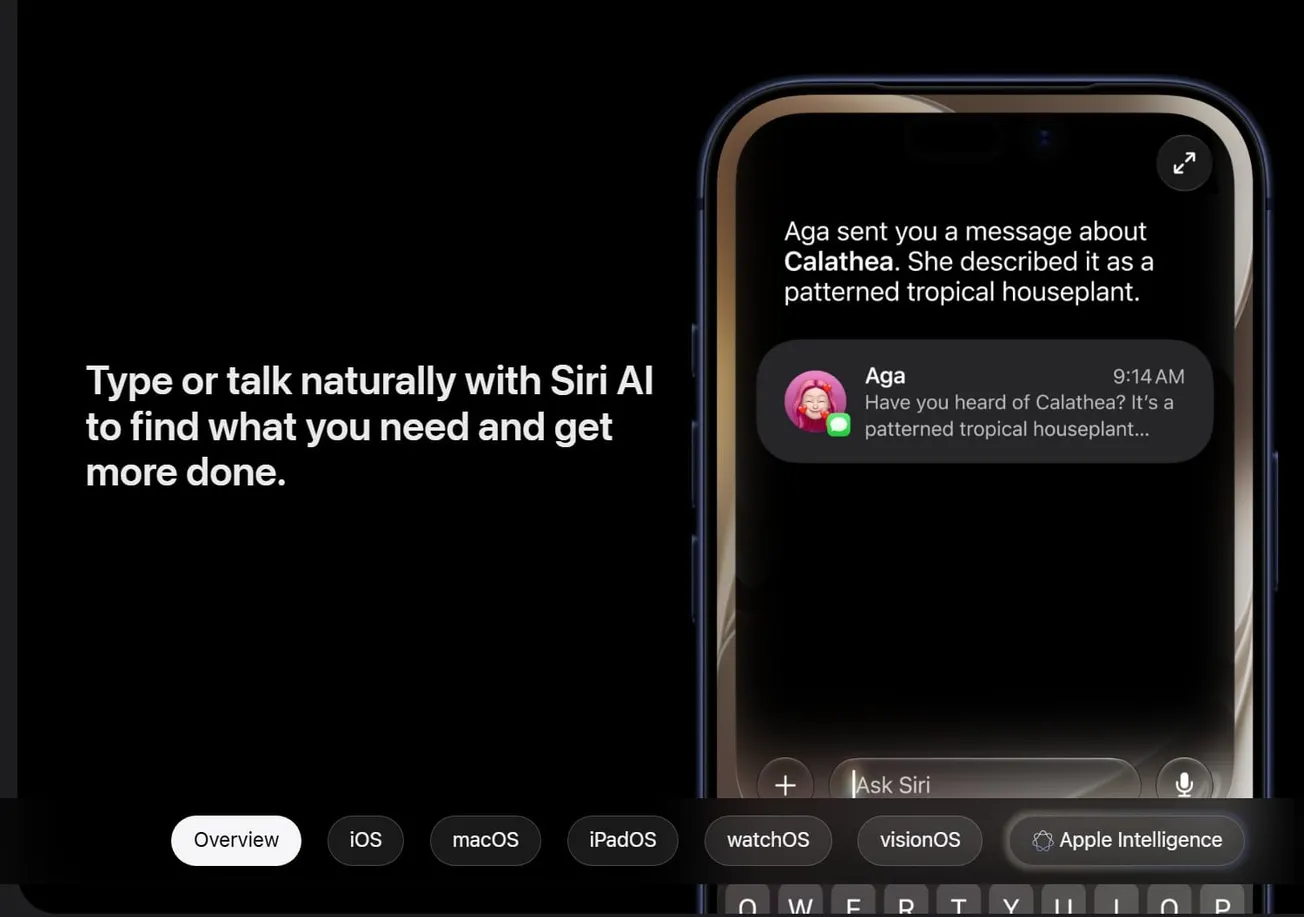
Apple admitted the smartphone's reign is ending
The screen becomes less important. The assistant becomes more important. That is where Apple believes the future is heading. And I think Apple is right.
Tim Meyer: Minnesota Monsters bring big-time football to Duluth
The name Minnesota Monsters reflects an opportunity to attract fans from across northern Minnesota rather than solely from Duluth. If the organization continues to build on its current foundation, the franchise could become a long-term community and economic asset for the Twin Ports region.
Breaking Sports News
"It's really exciting to be hosting this event in our community ... and I'm looking forward to the fans in Duluth creating an incredible atmosphere for these athletes and everyone visiting our city." -- Scott Sandelin, head coach of the University of Minnesota Duluth men's hockey team
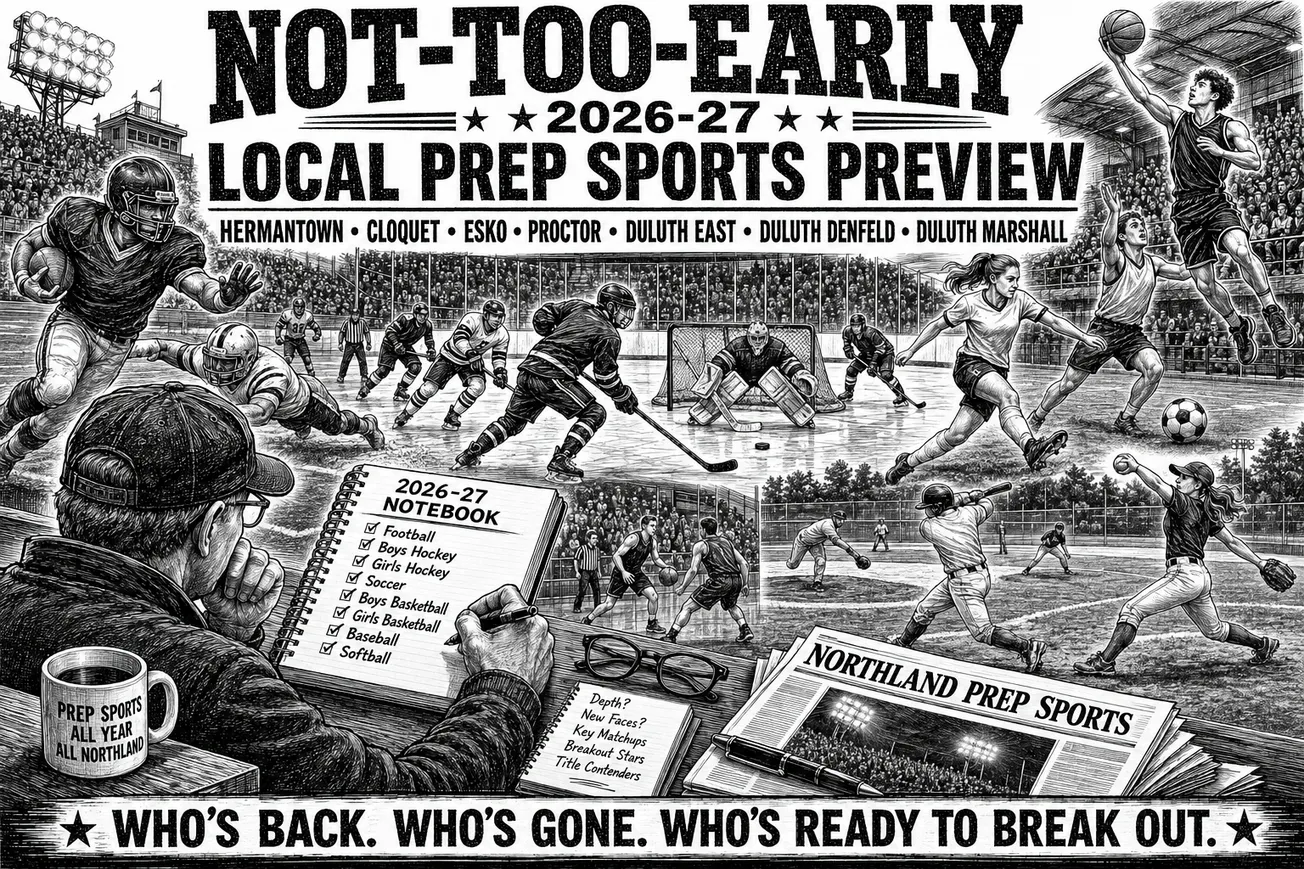
Hermantown football has the pieces. Now comes the hard part.
The question is whether the senior class can transform potential into production, close the gap on Grand Rapids and bring a Section 7, Class 4A championship trophy back to Centricity Stadium.

Duluth's civic theatre at 6 and 10 p.m.
Unfortunately, the new currency of leadership is visibility. You’re judged not by budgets balanced or streets repaired, but by how many times your face appears on a feed. The ribbon-cutting is no longer the celebration of work done; it is the work.
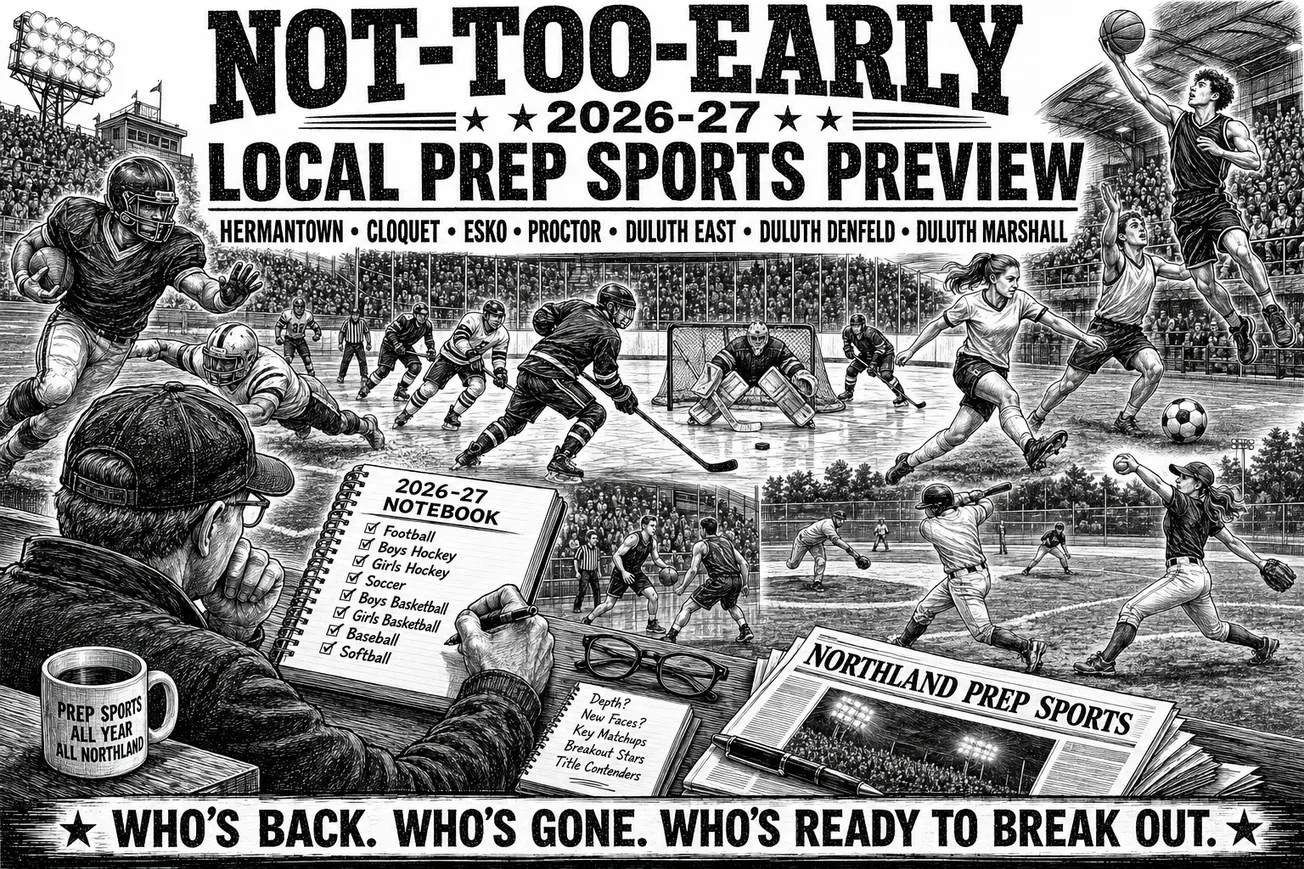
Jordan Sewell will drive the bus for Cloquet-Esko next season
Sewell has a chance to become one of the premier players in northeastern Minnesota, and the Lumberjacks have enough returning talent around him to remain a factor in Section 7A.



Duluth's civic theatre at 6 and 10 p.m.
Unfortunately, the new currency of leadership is visibility. You’re judged not by budgets balanced or streets repaired, but by how many times your face appears on a feed. The ribbon-cutting is no longer the celebration of work done; it is the work.
Howie: Duluth needs summer more than ever
Duluth residents simply need this summer emotionally. They need concerts at Bayfront and families along the Lakewalk. They need baseball games, festivals and tourists asking directions. They need reminders that life cannot become an endless cycle of bills, politics, inflation, anxiety and survival.
Howie: Bayfront still may be Duluth’s best idea
Bayfront remains one of the few places where the city still functions the way a healthy city is supposed to function: as a shared public space where people continue gathering together because they genuinely want to be there. Every summer, Duluth remembers that again.
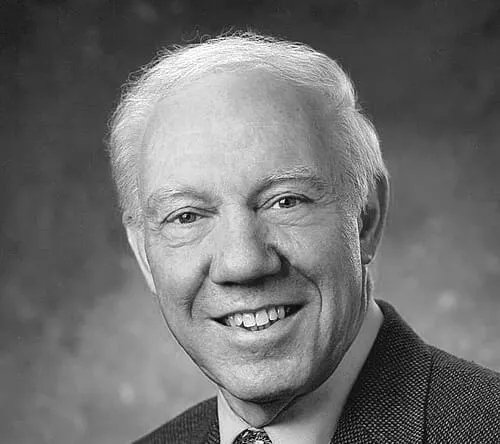
Howie: Jim Oberstar understood Washington better than anyone
Oberstar approached Congress differently. He understood it as machinery requiring relationships, technical credibility, negotiation and committee leverage rather than ideological performance.