Table of Contents
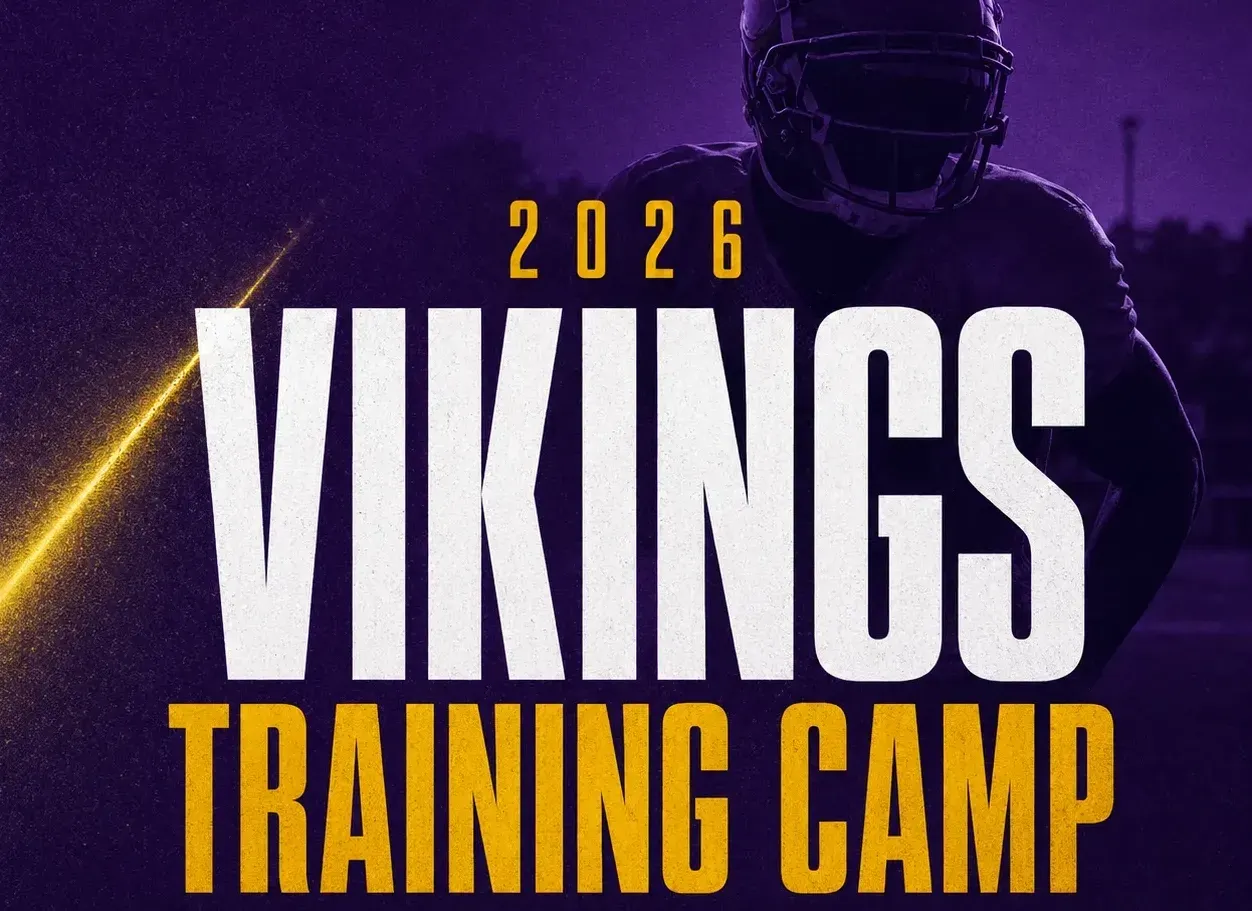
EAGAN, Minn. — Mark Wilf delivered the most important message of Minnesota Vikings training camp Wednesday, and it had nothing to do with who will win the starting quarterback job.
Winning regular-season games is no longer enough. Reaching the playoffs is no longer enough. Even winning a playoff game would represent only progress toward the standard Wilf finally stated without qualification.
“Ultimately it’s about not just playoff wins, but championships. That’s the ultimate measure,” the Vikings owner and president said.
Then came the seven words that changed the tenor of his annual training camp news conference: “We try to be patient as an ownership, but patience isn’t infinite.”
That was not an ultimatum to coach Kevin O’Connell. Wilf did not attach a minimum number of victories to the 2026 season, demand a division championship or declare that O’Connell must win a playoff game to keep his job.
He did something more significant: He acknowledged the clock.
The Wilf family purchased the Vikings in 2005. The franchise has made eight playoff appearances under its ownership but has not reached a Super Bowl. O’Connell has won 43 regular-season games in four seasons, an impressive total that includes two playoff appearances and one NFC North championship. He has not won a postseason game.
Those numbers can coexist. O’Connell has been an outstanding regular-season coach, restored stability to the organization and built an environment players respect. The Vikings also have failed to finish the job when the games have mattered most.
Wilf’s comments made clear that both truths are part of the evaluation.
For years, Vikings ownership has emphasized competitiveness, collaboration and sustained organizational health. Those priorities helped the franchise avoid the long collapses that have buried other NFL teams. Minnesota has rarely remained irrelevant for long, and the Wilfs deserve credit for consistently providing the financial resources, facilities and personnel support required to compete.
But professional football does not award trophies for stability. There are no banners for collaboration, no parades for salary-cap flexibility and no permanent place in franchise history for teams that were consistently good enough to remain interesting.
The Vikings have built nearly everything except a Super Bowl champion.
That is why Wilf’s endorsement of new general manager Nolan Teasley matters. Teasley has been on the job only since June 1, but Wilf said the favorable impression created during the hiring process has strengthened during Teasley’s first two months. He emphasized Teasley’s football knowledge, humility and ability to work with O’Connell.

The structure appears cleaner than it did during the final months of former general manager Kwesi Adofo-Mensah’s tenure. Teasley is responsible for constructing the roster. O’Connell is responsible for coaching it. They communicate, collaborate and understand their lanes.
That sounds elementary, but dysfunctional franchises often fail because those responsibilities become blurred. General managers assemble players who do not fit the coach’s system. Coaches seek control over personnel decisions they are not equipped to make. Ownership intervenes. Trust erodes. Losing follows.
Wilf believes the Vikings have avoided that trap. Teasley has added assistant general managers Andrew Healy and Trent Kirchner and football adviser Ryan Pace to a department that already had respected veteran executive Rob Brzezinski. The front office is deeper, the responsibilities are better defined and the relationship between Teasley and O’Connell appears genuine.
Now the alignment must produce results.
The first major decision is at quarterback, where Kyler Murray and J.J. McCarthy are competing for the starting job. Wilf wisely declined to influence that evaluation publicly, leaving the decision to O’Connell, Teasley and the football staff.
But ownership has established the standard by which the decision will eventually be judged. The Vikings are not choosing a quarterback merely to survive September. They must identify the player most capable of leading a talented roster through December and into the postseason.
This is not a rebuilding team. Justin Jefferson is one of the NFL’s defining offensive players. The Vikings have invested heavily in their offensive line, surrounded the quarterback position with experienced weapons and assembled another deep, versatile defense for coordinator Brian Flores.
There are uncertainties, particularly at quarterback, but there are not enough holes to excuse another season that ends before Minnesota becomes relevant in January.
Wilf also addressed the family’s long-term commitment to the franchise amid soaring NFL team values and recent ownership sales. The Vikings are not being positioned for an exit. The next generation of the Wilf family is becoming involved, and ownership intends to remain in place.
“Our ultimate goal is to bring championships to the fans of the Minnesota Vikings; they really deserve it,” Wilf said.
That commitment is meaningful. The Wilfs helped secure U.S. Bank Stadium, developed one of the league’s premier headquarters at TCO Performance Center and strengthened the franchise’s business and community standing. Minnesota hosted Super Bowl LII and will welcome hundreds of thousands of visitors when the 2028 NFL Draft comes to the state.

Those are major organizational victories. They have made the Vikings stronger, more valuable and more secure in Minnesota.
They are not a substitute for football victories in January.
Wilf’s news conference should be remembered for more than another expression of confidence in a coach, general manager or roster. For the first time in a while, Vikings ownership publicly introduced urgency into the conversation.
O’Connell remains strongly supported. Teasley has the authority to build the roster. Flores leads a proven defense. The quarterback competition will be settled on the practice field. Every important football decision is now entrusted to leaders Wilf believes can deliver a championship.
There are no obvious excuses remaining.
The Vikings have the facilities, resources, talent and organizational stability to contend. What they have not demonstrated is the ability to turn those advantages into postseason victories.
Wilf did not promise that the 2026 season will end with a championship. No responsible owner would. He did, however, establish that championships are the measure and that organizational patience has a limit.
For a franchise still pursuing its first Super Bowl title, that was not merely another training camp talking point. It was a warning that the time for progress reports is ending.
The Vikings must begin producing final results.