
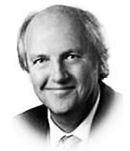
Howie's daily column is sponsored by Lyric Kitchen Bar.
My late buddy Jeno Paulucci was one of the most historic community leaders Duluth ever produced. Not perfect. Not universally loved. Certainly not quiet. But historic.
And as another tourism season arrives along the Duluth waterfront — another summer of concerts at Bayfront Festival Park, tourists crowding Canal Park sidewalks and families spreading blankets beside Lake Superior — it feels important to remember how much of modern Duluth still carries the fingerprints of Jeno and Lois Paulucci.
Especially Lois.
Because without her nearly $4 million contribution toward Bayfront Festival Park, one of the most important public gathering spaces on the Duluth waterfront likely never becomes what residents now casually take for granted. That matters historically.
Too often in Duluth, residents inherit amenities so fully into everyday life that they forget the personalities, ambition and money required to build them in the first place. Bayfront did not emerge magically from civic consensus and government process. It emerged because people with vision and financial capacity decided the waterfront should become something bigger than aging industrial leftovers and unrealized potential.
Few people believed in that larger vision of Duluth more aggressively than Jeno Paulucci. And few people fought harder for it emotionally. Every city eventually produces one figure who grows too large for ordinary civic categories. Not merely successful. Not merely wealthy. Mythic. Complicated enough that residents still argue about him years later with equal parts admiration, resentment, disbelief and fascination.
For Duluth, that man was Jeno Paulucci.

The son of Italian immigrants from the Iron Range, Paulucci helped build one of the great American food-business empires of the 20th century through Chun King, Jeno’s Pizza Rolls and later Michelina’s frozen foods. In the process, he helped pioneer the modern frozen-food industry itself, long before most Americans fully understood how dramatically convenience eating would reshape the country.
But in Duluth, Jeno represented something larger than frozen food. He represented scale. Scale of ambition. Scale of personality. Scale of confidence. Scale of conflict. Scale of belief in what Duluth could become.
And no individual better captured the contradictions inside modern Duluth itself.
Immigrant ambition and old-school toughness. Generosity and ego. Working-class roots and extraordinary wealth. Civic pride mixed constantly with frustration toward the people running the city.
Paulucci did not merely live in Duluth. He challenged the city psychologically. Because from the moment he emerged as a major figure, he forced residents to confront uncomfortable questions northern industrial communities often struggle discussing honestly.
How much ambition is acceptable in a city emotionally built around humility? How much ego can a working-class culture tolerate before admiration becomes suspicion? Can somebody become enormously wealthy and still remain authentically “one of us” in Duluth?
Residents spent decades arguing about those questions through the lens of Jeno Paulucci. And in truth, they never fully resolved them. To understand why Jeno mattered so profoundly, you first have to understand the Duluth he emerged from.
Older Duluth respected toughness more than polish. This was a harbor city shaped by labor, weather and survival. Residents admired people who overcame adversity and built something tangible through grit rather than image. Industrial culture dominated emotionally. Wealth alone did not guarantee respect. Too much visible self-promotion often triggered resentment quickly.

Paulucci somehow fit inside that culture and violated it simultaneously. That contradiction made him fascinating.
His immigrant family background and rise from modest beginnings connected deeply with the Northland’s working-class identity. Residents understood scarcity. Understood hustle. Understood fighting for opportunity. Paulucci’s story reflected the classic immigrant ambition narrative many northern Minnesota families recognized instinctively.
Born in Aurora in 1918, Paulucci grew up during the Depression years in a family constantly working to survive financially. The stories became part of Iron Range folklore. Selling produce. Hauling freight. Marketing damaged bananas as “rare Argentine bananas” after ammonia exposure darkened their skins. That was classic Jeno even then: improvisation, salesmanship and refusal to think small.
He eventually recognized something corporate America barely understood after World War II: Americans wanted fast, accessible ethnic food at home. Chun King transformed canned chow mein and chop suey into mainstream American grocery products. Purists mocked it. Consumers bought it by the millions.
By the 1960s, Chun King reportedly controlled roughly half the prepared Chinese-food market in the United States. Think about that historically for a moment. A kid from the Iron Range helped reshape how Americans ate nationally.
Then came pizza rolls. Then Michelina’s. Then Bellisio Foods. And all the while, Duluth remained emotionally central to him even as his wealth expanded nationally.
That symbolism mattered enormously to the city during decades when portions of the industrial Midwest were collapsing economically and psychologically. Paulucci became proof that somebody from northern Minnesota could build something nationally enormous without completely severing ties to the Northland.
He gave Duluth swagger. Not polished corporate swagger. Rough-edged swagger. Because unlike many wealthy business leaders who eventually evolve into carefully managed institutional figures, Paulucci remained combative, emotional and unapologetically forceful almost his entire life.

He did not hide ambition. Did not disguise ego. Did not pretend modesty when he clearly was not modest. That authenticity frustrated some residents and attracted others powerfully.
Whatever people thought about Jeno Paulucci, they rarely accused him of sounding fake. And Duluth historically values authenticity above almost everything else. Especially rough-edged authenticity.
His relationship with the city often resembled a long-running family argument. He loved Duluth deeply, promoted it aggressively and invested heavily in local institutions and causes. Yet he also criticized local leadership relentlessly whenever he believed the city lacked courage, vision or urgency.
Paulucci did not operate diplomatically. He operated emotionally. That emotional intensity shaped his civic influence enormously because he belonged to an older version of Duluth — the harbor-city version shaped by hard personalities, labor fights, immigrant ambition and business wars rather than consultants, branding strategies and institutional messaging.
Old Duluth did not apologize much. Did not soften opinions carefully. Did not worry constantly about sounding polished. Jeno came from that world. And older generations recognized it instinctively.
He also understood something emotionally important about Duluth that many civic leaders still struggle admitting publicly: beneath the city’s pride sits insecurity. Residents fiercely defend Duluth while simultaneously worrying the rest of the country overlooks it. That contradiction shapes local politics, redevelopment fights and civic identity constantly.
Paulucci hated small thinking. Hated defeatism. Hated provincial caution. Hated fear masquerading as prudence. When he attacked local leadership, he often attacked what he saw as fear — fear of dreaming bigger, competing nationally and acting boldly enough to matter. Sometimes he was right. Sometimes he was unfair. But he was almost never timid.
His philanthropy reflected that same intensity. Paulucci donated millions toward causes, institutions and projects connected to Duluth and beyond. Yet even his generosity occasionally created controversy because his style remained intensely personal rather than quietly institutional. He wanted impact. Wanted visibility. Wanted people to know who made things happen. Some civic leaders found that unsettling.

But again, that reflected an older entrepreneurial culture where personality and business identity merged completely. Paulucci built success through force of will and expected the world to recognize it accordingly. Duluth both admired and resisted that attitude simultaneously. The city traditionally respects people who make money. It becomes uneasy around people openly aware of their own importance.
Jeno never hid awareness of his own importance. But underneath all the arguments and ego battles, residents sensed something genuine about him. He truly cared about Duluth — not in a polished chamber-of-commerce sense, but emotionally. Personally. Sometimes combatively.
The city mattered to him. Its reputation mattered. Its confidence mattered. Its future mattered. And perhaps that explains why he still looms so large historically compared with quieter wealthy figures who accumulated influence but never captured the emotional imagination of the city itself.
Paulucci represented possibility in a place that frequently feared limitation. That mattered psychologically during decades when Duluth questioned its own future. The city watched industrial decline spread across portions of the Midwest. Watched younger residents leave. Watched economic anxiety deepen. Paulucci’s existence challenged the idea that northern Minnesota naturally produced smaller ambitions. He rejected smallness aggressively.
The irony, of course, is that his style increasingly felt out of place inside modern institutional Duluth. As hospitals, universities and professional management culture expanded, civic leadership became more collaborative, restrained and carefully managed publicly. Paulucci belonged emotionally to an earlier era when business figures dominated conversations through sheer force of personality.
And yet pieces of modern Duluth still exist directly because people like Jeno and Lois Paulucci believed the city deserved something bigger than cautious maintenance.
Which brings us back to Bayfront Festival Park. Every summer now, residents gather there almost casually. Concerts. Festivals. Tourists. Children running beside the lake. Families watching fireworks. The park has become emotionally integrated into the identity of modern waterfront Duluth. But that transformation required philanthropy, imagination and risk.
Lois Paulucci understood that.

Her major contribution helped create one of the defining public gathering spaces along Lake Superior. It helped strengthen the emotional connection between Duluth residents and the waterfront itself — a relationship the city spent decades gradually rediscovering. That contribution deserves remembering.
So does the complicated man beside it. Because history is rarely built by perfect personalities. More often, cities are shaped by difficult, driven, visionary people who leave behind both arguments and infrastructure. Both controversy and progress. Both bruised feelings and lasting institutions.
Jeno Paulucci was one of those figures. Colorful? Absolutely. Complicated? Without question. But his positive impact on Duluth and northeastern Minnesota remains almost impossible to overstate historically.
Factories. Jobs. Philanthropy. Confidence. National relevance. Waterfront vision. Few private citizens changed the trajectory and psychology of modern Duluth more profoundly than Jeno Paulucci.
And perhaps the deepest truth about him is this: The city admired ambition fiercely — as long as ambition never forgot where it came from. Jeno never forgot. Even when Duluth argued with him. Even when he argued right back.
Howie is Minnesota’s columnist, writing about power, business, sports and civic life.