

Howie's column is powered by Lyric Kitchen · Bar | eMail Howie
The Arena Football One schedule release Friday didn't arrive with slogans, promises or bravado. It arrived with dates, opponents and a clear signal of intent.
That, by itself, matters.
Arena football has spent the better part of two decades lurching from relaunch to relaunch, often announcing grand visions before proving it could survive a summer. Schedules were aspirational documents, not commitments. Teams disappeared midseason. Leagues folded quietly. Fans learned to wait before believing.
The 2026 AF1 schedule looks different. Not because it is flashy, but because it is disciplined.
Twelve games per team. A defined start in April. A defined finish in July. Balanced home-and-away slates. Built-in byes. Repeat matchups that suggest geography matters again. It reads less like a marketing flyer and more like an operating plan.
That may be the most important development yet for the league.

“The release of the schedule is always one of the most exciting moments of the offseason,” AF1 Commissioner Jeff Fisher said in a prepared statement. “It signals that football is right around the corner. Our teams, coaches, and fans are energized for the 2026 season, and this year’s slate includes some incredible rivalry games and competitive matchups that showcase the best that Arena Football One has to offer.”
Minnesota’s schedule offers a clean example. The club opens on the road at Albany, eases into the season with an early bye, then moves through a steady rotation of Michigan, Oceanside, Nashville, Kentucky and Washington. There are no gimmicks. No marathon road swings. No unexplained gaps. The final month leans heavily on home games, the kind of stretch that allows a team to build momentum and sell tickets with confidence.
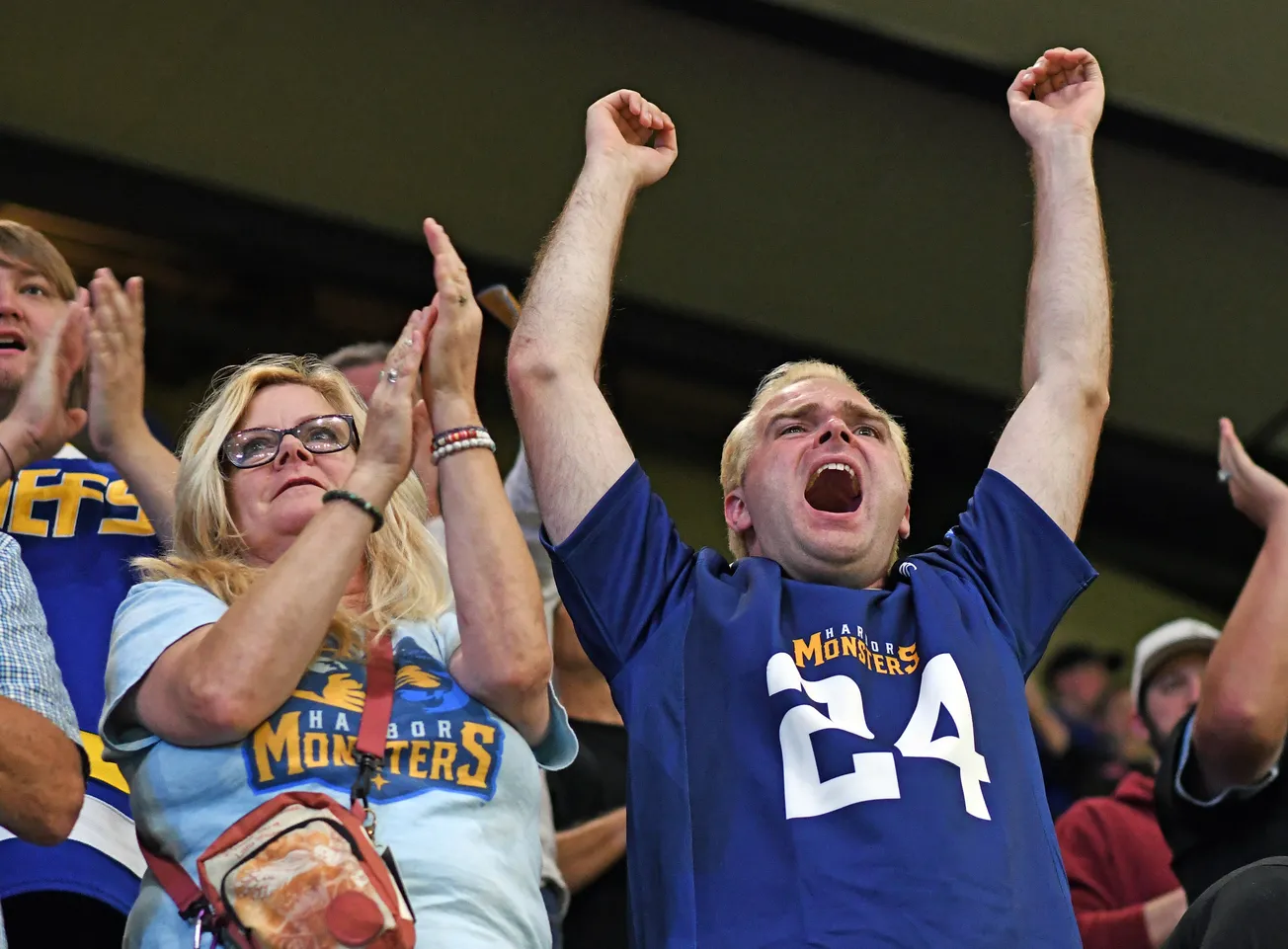
For a two-time TAL champion entering a new league under owner Jacob Lambert and minority owner and general manager Steve Walters, the structure matters as much as the opponents. Minnesota is being treated like a core franchise, not a placeholder. Seven home games. A predictable cadence. A schedule that allows for planning instead of improvisation.
"We are extremely excited for the opportunity to travel, see other states' venues, and expand our players' exposure," said Lambert. "AF1 has brought so much more opportunity for the Minnesota Monsters, and honestly the city of Duluth."
Across the league, the same pattern repeats.
Albany and Beaumont trade home-and-home series. Michigan and Oregon see each other often, suggesting a deliberate regional spine. Washington and Oregon meet four times. Nashville’s schedule avoids excessive travel. Oceanside’s byes are spaced to prevent long layoffs. This is not accidental. It is the result of a league attempting to manage costs, travel and competitive balance at the same time.
That is how sustainable leagues behave.
There are still unanswered questions. The postseason format has not been released. Television details remain sparse. Attendance benchmarks are unspoken. Those omissions are real, and they will matter later.
But a schedule is the first true contract a league signs with its teams and fans. It says: here is when we will show up, and here is who we will play. For AF1, that contract now exists on paper in a way that feels enforceable.
That is a shift.
Arena football works best when it accepts what it is. It is not outdoor football. It is not developmental football for the NFL. It is a regional, indoor product built on familiarity, repetition and access. Fans learn opponents quickly. Rivalries form fast. Coaches adjust week to week against the same teams. Costs stay contained.
“Joining Arena Football One is a huge step forward for the Minnesota Monsters organization,” said legendary Minnesota assistant coach Jaysen Yogi Howard. "AF1 is raising the standard for arena football, and special teams play will be a major difference-maker in this league. We’re excited to compete at the highest level, bring relentless energy every snap, and give Minnesota fans a team that plays fast, disciplined, and fearless. This is the beginning of something special for our players, our coaches, and the community.”
The 2026 Minnesota schedule leans into that reality rather than running from it.
Minnesota sees Michigan repeatedly. Kentucky returns twice. Nashville appears on both sides of the calendar. Oceanside becomes a coastal measuring stick. These are not bugs. They are features. This is how minor leagues survive: by giving fans recognizable names and rhythms, not novelty.
The timing also matters. An April-to-July window avoids most direct competition with high school football, college football and the NFL. It slots into a quieter sports calendar, where indoor football can own weekends rather than beg for attention.
For cities like Minnesota’s, that matters. Summer crowds are different. Families plan ahead. Promotions can be scheduled months in advance. Sponsors know what they are buying.
"I’m extremely thankful to the Monsters’ ownership as well as the AF1 for recognizing our hard work over the past two years and giving us the opportunity to move up to such a prestigious league," said former Monsters head coach Tony O'Neil, who guided the team to back-to-back NAL championships in 2024 and '25. "I’m truly grateful that the AF1 has welcomed us into its ranks. I’m fully confident the Monsters will be able to compete at a high level."
The league schedule release does not guarantee success. No document ever has. But it removes one of the most common failure points in arena football history: chaos disguised as ambition.
This schedule is orderly. Almost boring. And that may be its greatest strength.
In a space where leagues often try to shout their relevance, AF1 has chosen to publish it. Dates. Cities. Matchups. Nothing more.
That is how credibility begins.

