Table of Contents
Duluth Public Schools has a credibility problem that another campaign about protecting children will not solve. Before asking taxpayers to approve roughly $103 million in additional operating support over the next decade, district leaders need to explain how spending exceeded the 2025 budget by more than $15 million, why serious accounting weaknesses went uncorrected and how a district approaching financial distress expects voters to trust its next set of projections.
The numbers are not speculation. They appear in the district’s own independently audited financial statements. For the fiscal year ending June 30, 2025, Duluth budgeted approximately $137.9 million in general-fund expenditures. Actual spending reached $153.2 million, exceeding the final budget by approximately $15.3 million. That is not a rounding error, an unfortunate surprise or a bookkeeping inconvenience. It is a financial breakdown large enough to demand a detailed public explanation.
District officials have attributed their financial difficulties to rising special education expenses, transportation costs, insurance premiums and state funding that has not kept pace with inflation. Those pressures are real. But the audit shows the spending overruns extended well beyond any single department. Regular instruction exceeded its budget by approximately $4.5 million. Pupil support services were nearly $3.7 million over budget. District and school administration exceeded its allocation by nearly $1.9 million, while district support services ran approximately $1.5 million over budget.
Those figures do not prove anyone stole money, committed fraud or spent public funds illegally. The auditors issued an unmodified opinion on the district’s final financial statements and did not identify material legal noncompliance. But they do establish that spending departed substantially from the budget the district presented to the public. Taxpayers are entitled to know when administrators recognized those overruns, what information was provided to the School Board and why corrective action did not prevent the situation from worsening.
The consequences were immediate. The district’s final budget anticipated a general-fund reduction of approximately $2.8 million. Instead, the fund balance declined by roughly $11.5 million, an outcome almost $8.8 million worse than projected. A district that misses its own financial target by that margin cannot reasonably expect voters to accept a 10-year financial plan without examining the assumptions behind it.
The audit raises additional concerns about the district’s ability to monitor its finances. Auditors identified two material weaknesses in internal controls, and both repeated findings from the previous year. One involved significant account that were not reconciled, including state and federal receivables, investment income and accrued expenses. The other involved the district’s reliance on outside auditors to prepare complete financial statements and related disclosures because its own staff did not have sufficient expertise to do the entire job internally.
A material weakness is not evidence of criminal conduct. It is a warning that financial errors could occur without being identified or corrected promptly. When the same weaknesses appear in consecutive audits, however, the public has every reason to ask why they remained unresolved and what specific safeguards have since been put in place.
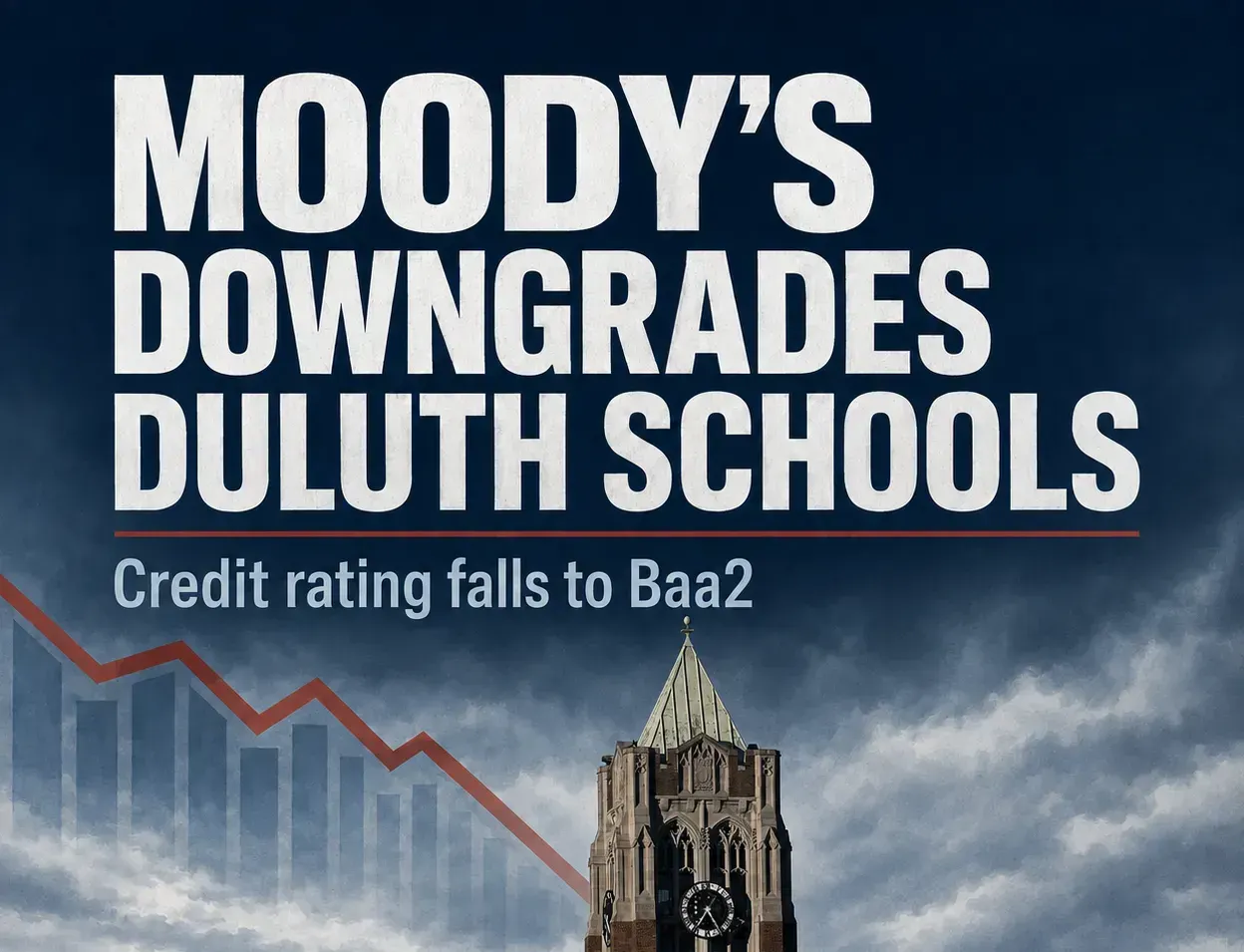
Then came the credit downgrade. Moody’s lowered the district’s issuer and general obligation debt rating two notches, from A3 to Baa2. The district remains investment grade, but the downgrade reflects a weaker financial position and reduced confidence in its ability to manage mounting fiscal pressure. District leaders described the change as an adjustment. Taxpayers would be justified in calling it what it was: an independent financial warning.
Even the district’s recent public explanations invite scrutiny. On Aug. 6, district leaders said the approved 2026-27 budget projected a $3.9 million deficit, despite having only $2.5 million remaining in the fund balance. A week later, responding to the Moody’s downgrade, the district said its staffing and operational adjustments were aimed at producing a balanced budget and a modest surplus. Those statements may be reconcilable, but the district has not clearly explained how. Voters should not have to guess whether their school system expects a multimillion-dollar deficit or a surplus.
Now the district wants voters to approve two operating levy questions on Nov. 3. District leaders estimate the first would cost the owner of a $300,000 home approximately $8 per month, while the second would add about $7 per month. Together, that amounts to approximately $180 annually at the outset. Both levies would increase with inflation, and the second question would take effect only if the first passes.
The district also says expiring building debt would help keep the overall tax impact relatively stable as the operating levy increases. That deserves a more honest explanation. If existing debt payments are ending, taxpayers might otherwise expect to see their school-related property taxes decline. Redirecting that expiring obligation into new operating revenue may soften the visible increase, but it still represents money residents would have kept if the debt had simply disappeared from their tax bills.
There is another reason this proposal faces a difficult political environment: Duluth has a long memory. The Red Plan, a roughly $293 million school construction and consolidation program, moved forward without a public referendum. Whatever arguments were made for modernizing facilities, the decision left many residents believing the district committed the community to enormous financial obligations without giving taxpayers a meaningful voice.
The Red Plan does not explain every current budget problem, and today’s administrators should not be blamed personally for every decision made nearly two decades ago. But its legacy remains relevant because public institutions inherit more than buildings and debt. They inherit the consequences of earlier decisions, including damaged trust. When a district that once pursued a massive construction program without a public vote returns with another major financial request, residents will understandably examine the details with greater skepticism.
Recent election results reinforce that concern. Duluth voters rejected a school technology funding proposal in November 2023 and again in May 2024, when the measure lost by 453 votes. A separate debt-related question passed in 2023, demonstrating that voters are not automatically opposed to every school proposal. They have shown, however, that they are willing to reject requests they consider insufficiently explained.
District officials point to a survey showing 63% support among more than 2,000 respondents. That suggests passage remains possible. It does not establish that voters have reviewed the audit findings, understood the credit downgrade or evaluated the full cost of both levy questions. A favorable survey taken before the campaign fully develops cannot substitute for a public accounting of what went wrong and what would change.
The district says failure would bring deeper cuts, possible staffing losses and harm to students. Those risks deserve serious consideration. Children should not bear the consequences of financial decisions they did not make, and strong public schools matter to Duluth’s future. But concern for students cannot become a reason to avoid difficult questions about administrative oversight, budgeting practices and financial accountability.
Duluth renters would not be exempt from the school referendum’s effects. If landlords pass along the additional property taxes, the district’s published estimates suggest many renters could see increases of roughly $5 to $15 per month attributable to the levy, depending on their building’s assessed value. For an average-priced rental, that would generally amount to less than a 1% increase, although individual circumstances would vary.
If district leaders want this referendum to pass, they should release a clear, line-by-line explanation of the 2025 spending overruns; identify when administrators and board members became aware of them; document how both material weaknesses have been corrected; reconcile the conflicting deficit and surplus descriptions; and provide a year-by-year accounting of the proposed levy, including inflation, expiring debt and the total amount taxpayers would be asked to contribute.
Until that happens, the central question on the November ballot will not be whether Duluth supports its children. It will be whether voters believe the people managing their school district have earned the right to ask for more.