Howie: Rebuilding the Twin Cities core
American downtowns historically reinvent themselves every generation or two. Warehouse districts become loft districts. Industrial corridors become medical corridors. Rail hubs become entertainment hubs.
Something significant is being examined, something consequential has gone wrong inside the process, and the people most familiar with that process decided they could not continue as if nothing had changed. In federal law enforcement, that is as close to an alarm bell as it gets.
Retirees are feeling it in an even more unforgiving way. Social Security doesn’t rise with property taxes. Pensions don’t adjust for water and sewer increases. Utility bills, groceries and insurance all climb while fixed incomes stay fixed. So seniors tighten up.
People didn’t wake up wanting authoritarianism. They woke up tired. Tired of chaos. Tired of humiliation. Tired of politics that felt like permanent trench warfare. They stopped believing the system deserved their patience. That part should feel familiar.
The City of Duluth now spends roughly $1 of every $7 in the general fund on debt service. That’s money that can’t pave streets, fund libraries, or expand housing programs. And yet the answer to each new challenge is the same: another bond.
It’s civic theater, and everyone knows their lines. The officials announce. The media nod. The television anchors beam. The advertisers clap. And the citizens — the actual audience — sit at home wondering if they’ve accidentally tuned into satire.
This isn’t a hostile takeover or a backdoor privatization scheme. This is a well-structured financial agreement that delivers capital, safeguards ratepayers, and pushes the utility deeper into the renewable energy era without turning it into a monopoly Frankenstein.
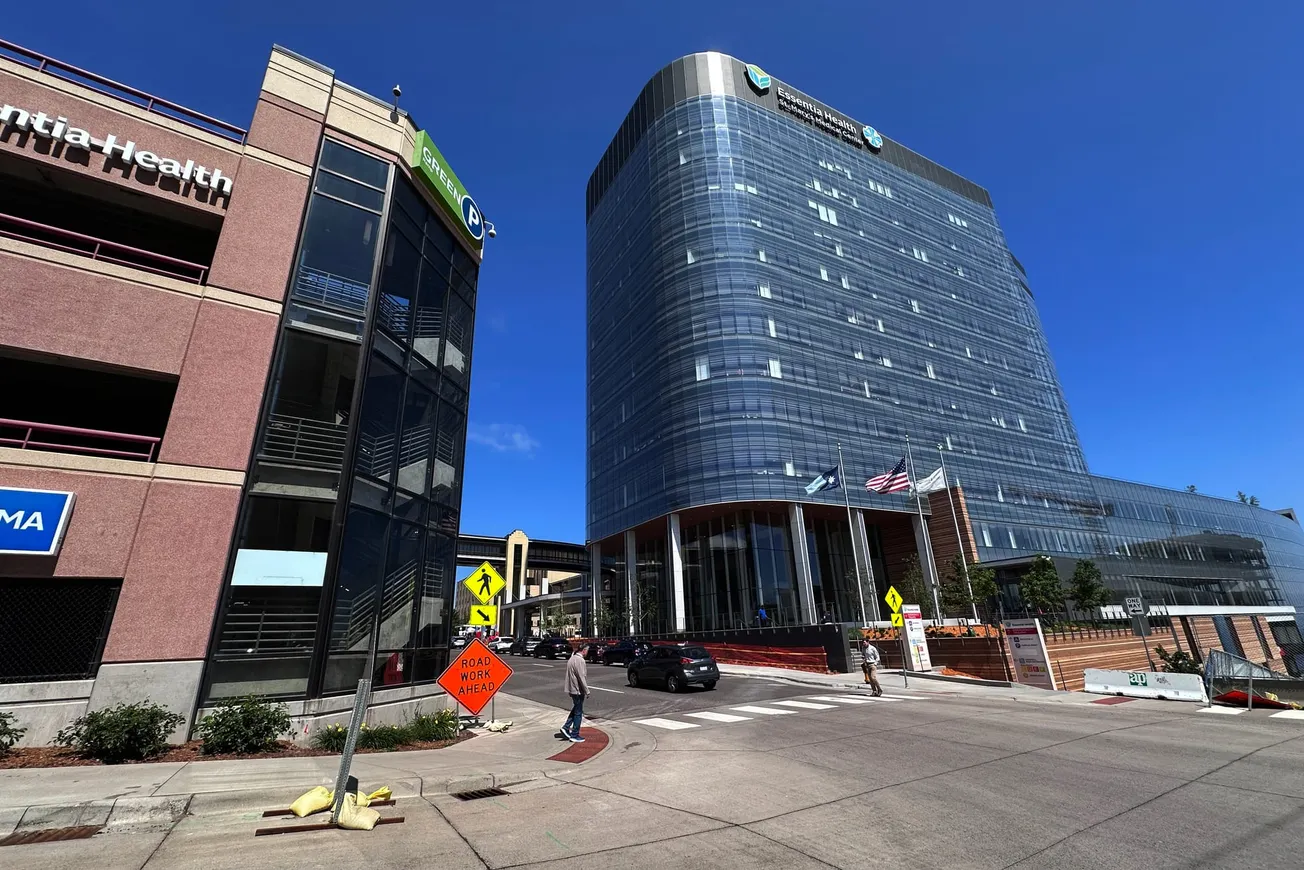
Duluth’s health care transformation didn’t come free. It was paid for with public subsidies, neighborhood sacrifice, and long-term tax invisibility. The systems at the center of it all proudly proclaim their commitment to the community — even as the community quietly disappears around them.
His opponent tried to tag Mayor Roger Reinert with that clever little campaign jab last fall — “Risky Roger.” Like slapping a caution sticker on a snow blower: handle with care, might chew your hand off. But turns out the only real risk was if we hadn’t elected him. Because
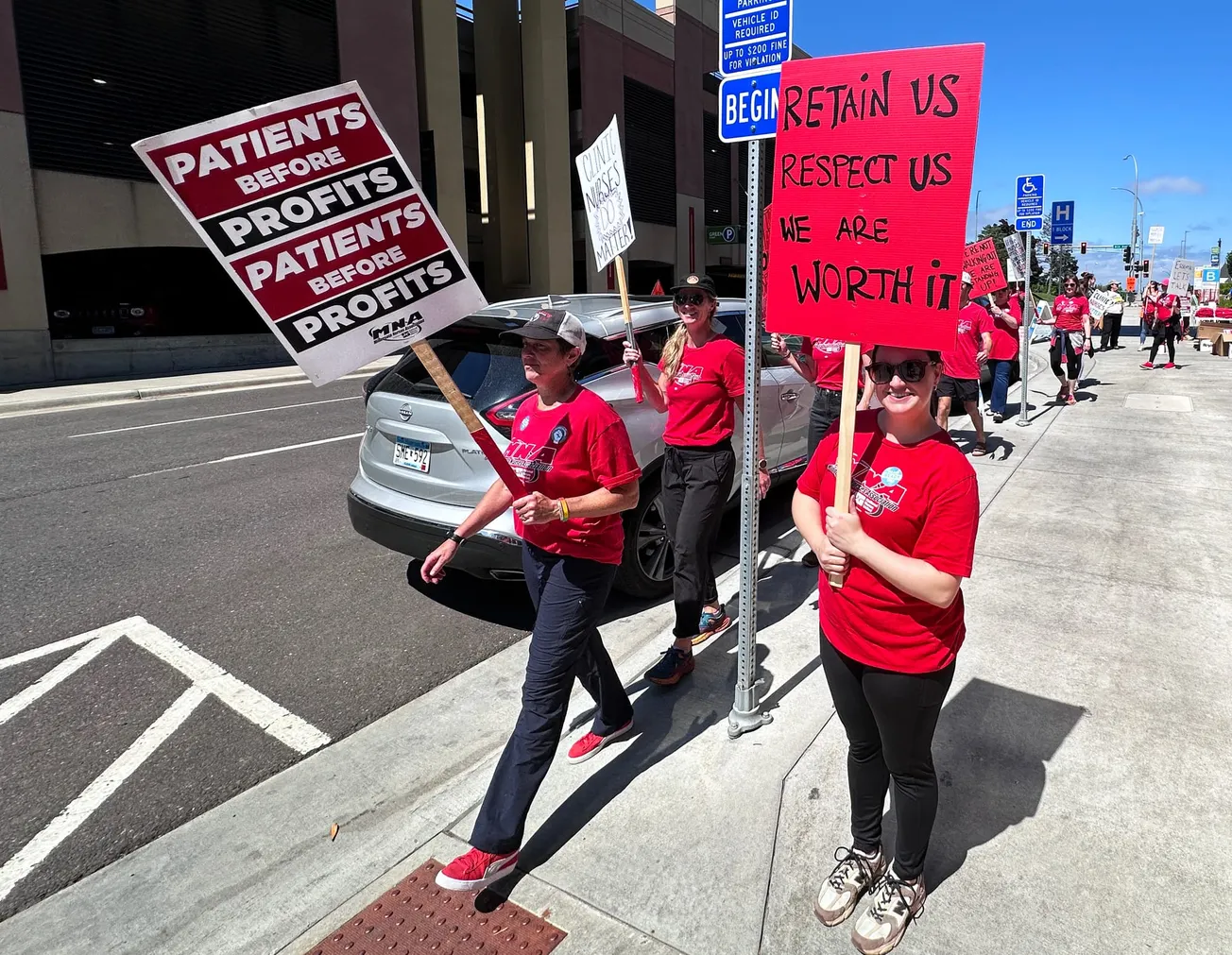
It’s a heck of a look for Essentia, a system that prides itself on community stewardship yet has poured millions into temporary travel nurses to keep hospital beds staffed while turning around and padlocking places like the Solvay Hospice House.
Unlike many small papers hollowed out by budget cuts or distant ownership, the Pine Knot’s modest downtown office remains a lively hub. Readers drop by to pay subscriptions, slip engagement announcements over the counter, or tip off staff to the next big council fight.
Essentia’s playing lawyer ball with the National Labor Relations Board’s Health Care Rule, which basically says: hospitals and clinics shouldn’t be smashed into one bargaining zoo because, you know, patients need care.
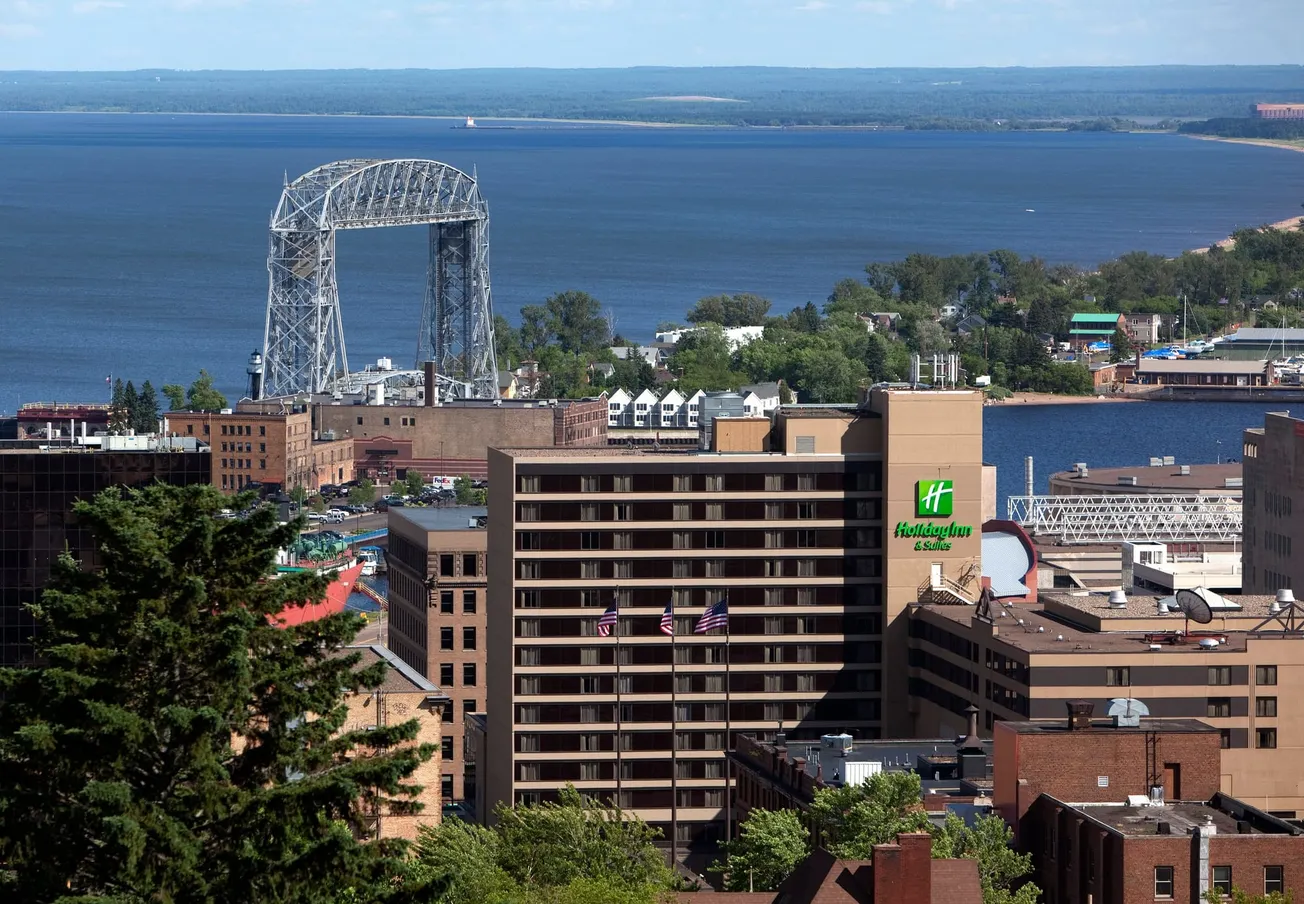
It’s a combination of location, hospitality, amenities and smart pricing that makes the Holiday Inn & Suites Duluth-Downtown the first place locals recommend when friends, family, or out-of-town clients ask where they should book.
Mayor Roger Reinert has wisely steered Duluth back toward local control of its marketing by restoring Visit Duluth’s contract. Now there’s a chance to finish the job: to keep more of that marketing spend right here.
By HOWIE HANSON Editor & Publisher DULUTH, Minn. — If there was ever a moment to lean into Duluth’s momentum as a regional youth sports capital, it’s now. The City of Duluth — under the proven, forward-thinking leadership of Mayor Roger Reinert — should immediately begin plans to finally build