
Howie's column is powered by Lyric Kitchen · Bar
Other Midwestern cities have pulled it off. Fargo transformed empty blocks into mixed-use anchors. Sioux Falls used a powerful downtown authority to buy, build, and lead. Des Moines invested all at once in housing, culture, and green space until momentum fed itself.
Duluth is different. And not just because it’s been slower to act. Duluth sits on the greatest natural asset of them all: Lake Superior. An inland sea. A global destination. A brand so powerful that “The Lake” is shorthand for everything from weekend road trips to real estate prices. If Fargo had this kind of carrot, it would be a national powerhouse.

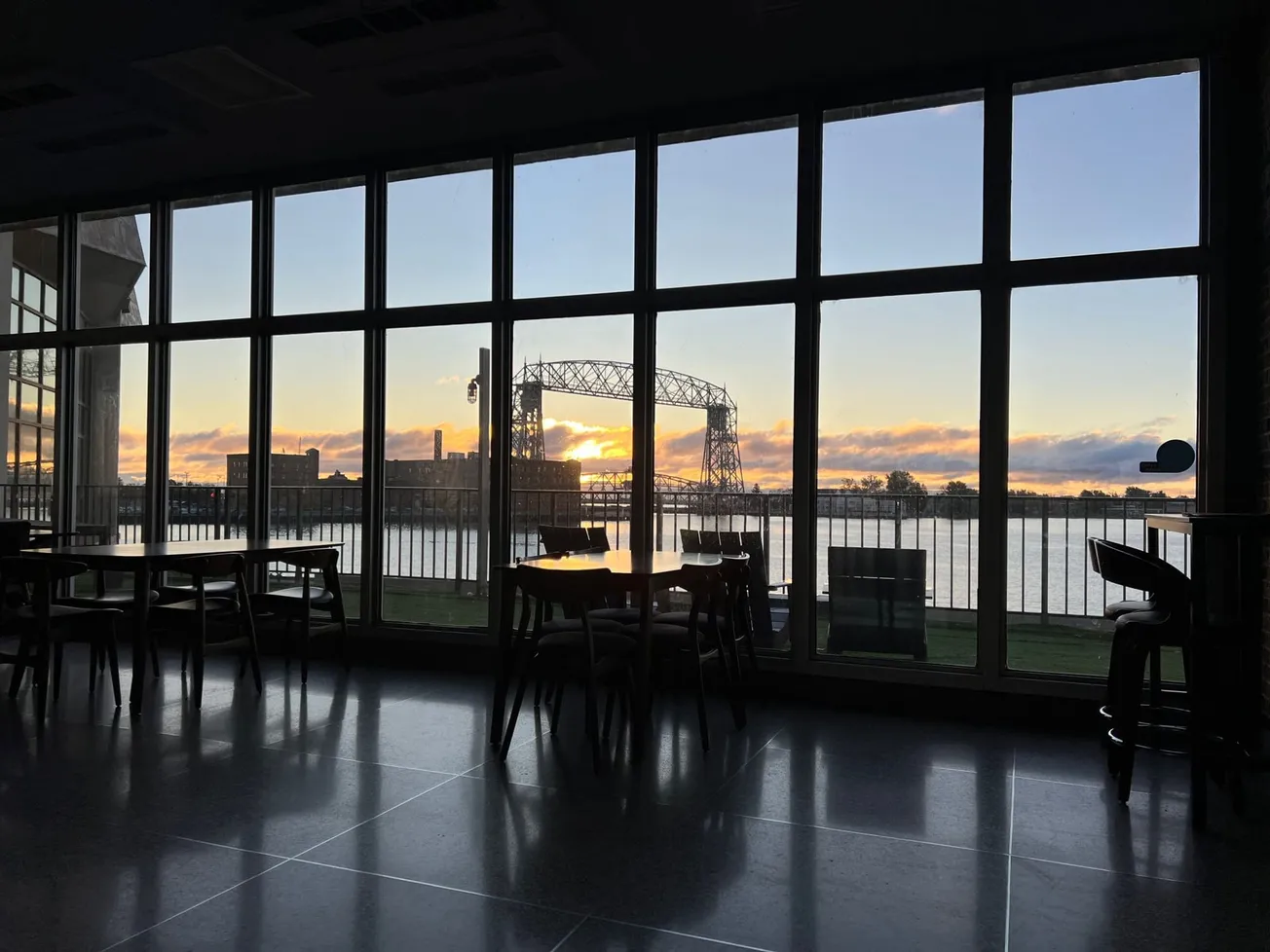
And yet, Duluth has never fully harnessed the lake as the economic engine of its downtown. Canal Park booms in July, then empties in February. The Aerial Lift Bridge is an icon known worldwide, but two blocks up the hill, Superior Street fights vacancies. Tourists snap pictures of freighters but rarely wander into old office towers. The lake is the hook, but Duluth has never written the second verse.
That’s why the third leg of downtown’s revival — economic vitality — matters most. Safety is the prerequisite, housing is the foundation, but the economy is what keeps people downtown and ties it to the lake. Without that tie, the lake becomes a backdrop instead of a driver.
The Imagine Downtown Duluth plan itself says it clearly: “Downtown will be the center of economic, cultural, and social life in the Northland, building on its identity as the gateway to Lake Superior.”
But slogans don’t change cities. Actions do.

So what’s different here?
Geography. Fargo and Sioux Falls built on flat land. Duluth is stacked on a hillside, with logistics, parking, and walkability challenges that make connections harder.
Climate. Winters cut deeper here. A downtown economy can’t rely on festivals alone — it must create year-round destinations resilient to wind and snow.
Waterfront division. Canal Park became the lakefront playground, but it siphoned energy from Superior Street. Other cities never had this “split personality.” Duluth must stitch them together.
Brand. The Lake is global. Tourists come from Tokyo and Berlin to see it. Artists and writers move here for it. That brand is unmatched — but it’s not yet translated into the everyday economy of downtown Duluth.
So the opportunity is immense. If safety and housing are the ground game, the economy is the play-action pass — the move that wins the drive. And the lake is the star quarterback.
Other cities didn’t wait. They created financing tools and governance structures that turned “imagine” into “done.” They used Tax Increment Financing, Business Improvement Districts, housing tax credits, entertainment taxes, and loan pools to make projects pencil out. They streamlined codes so developers didn’t run screaming. They demanded accountability. And they moved fast.

Duluth can do all of this — with one advantage those cities envy. The lake isn’t going anywhere. It is the carrot, the brand, the magnet. The question is whether Duluth has the urgency and the discipline to finally build downtown into a true gateway, not just a pit stop.
The tough questions remain. Who creates the financing gap fund so projects don’t stall? Who rewrites codes to make adaptive reuse realistic? Who organizes Duluth’s philanthropic horsepower into a force? Who answers if, five years from now, downtown looks the same?
Essentia’s campus, UMD and St. Scholastica’s graduates, the DECC’s calendar, the arts community — these are assets. But Lake Superior is the multiplier. Tie Superior Street to the lake, and the whole city rises. Keep them divided, and Duluth will watch its peers sprint ahead while it drifts behind.

The first two legs — safety and housing — matter. But the third leg, economic vitality, is Duluth’s hardest lift and greatest chance. If it succeeds, downtown becomes a year-round magnet built around the lake. If it fails, Duluth will once again be left with plans on a shelf and an untapped waterfront that tourists see but locals don’t use.
The choice is plain. Stop admiring the lake from afar. Build an economy around it. Or watch other cities with fewer assets keep eating Duluth’s lunch.