Table of Contents
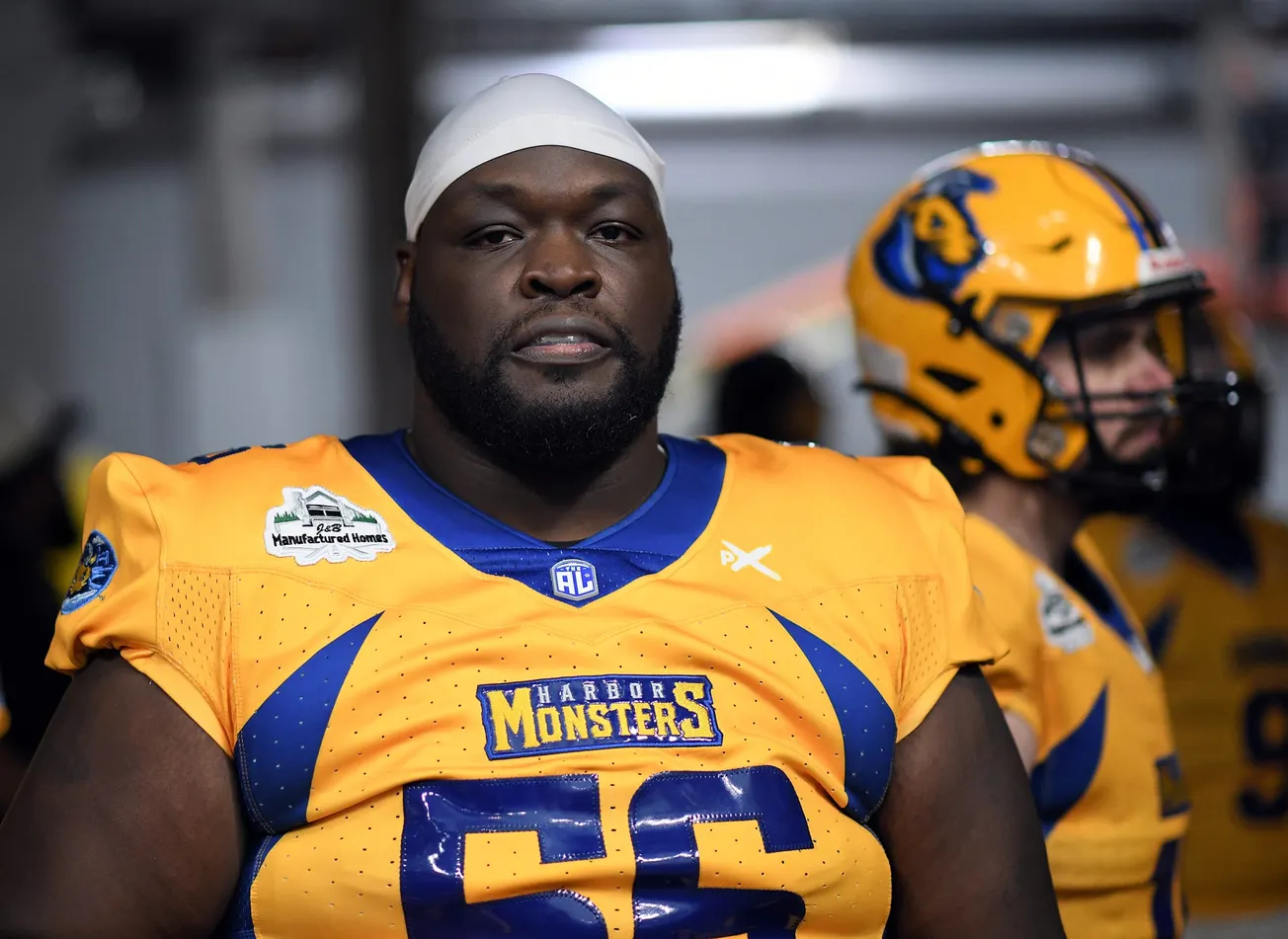
Note: This is the third column in a six-part series on the state of arena football — from the sport’s bruised past to its uncertain future — with a sharp focus on AF1, the upstart league the Duluth-based Minnesota Monsters will join when they relaunch in Spring 2026.

Howie's opinion column is powered by Lyric Kitchen · Bar | eMail Howie
Arena football’s biggest opponent has never been a rival league. It has been its own reputation — a decades-long perception shaped by sudden team foldings, inconsistent ownership, thin budgets and the lingering memory of the original Arena Football League’s downfall.
League officials, coaches and longtime operators say those reputational challenges continue to shadow the sport, even when teams are well-run and financially stable.
Much of the public skepticism stems from the game’s history. Fans in dozens of cities have watched arena teams arrive with splashy announcements and community optimism, only to disappear after one or two seasons. Some organizations folded midyear, leaving players unpaid and arenas unsettled.
Several leagues expanded too quickly, accepted underfunded owners or overestimated their media footprint, leading to abrupt shutdowns that hardened public doubts.
Those patterns have consequences. Analysts say families and corporate sponsors are often wary of investing in a product they fear may not last. Even strong franchises must work to differentiate themselves from the sport’s unstable past.

The structure of the game itself poses challenges. The 50-yard arena field, its fast scoring pace, the presence of rebound nets in some leagues and the smaller roster sizes create a product that some football traditionalists view as secondary or gimmicky.
While arena football has carved out a national niche, it has never fully escaped comparisons to the NFL, even though it operates on a fundamentally different scale.
Leagues acknowledge the perception gap and have taken steps to improve credibility.

In top-tier circuits such as the Indoor Football League and Arena Football One, ownership vetting has tightened substantially. Teams face higher capitalization requirements, stricter business standards and league oversight designed to avoid the midseason collapses that plagued earlier versions of the sport.
Officials say these policies are intended not just to protect existing franchises but also to reassure fans and sponsors that the product is stable.
Teams have also increased community outreach. School visits, youth clinics, nonprofit partnerships and offseason appearances help anchor organizations in their markets.
Executives say a visible year-round presence can build trust, even in cities that previously lost arena teams.
Another focus has been transparency. Some leagues now publish rulebooks, operations guidelines and ownership standards, offering fans a clearer understanding of how the sport functions.
Several organizations have adopted modern broadcast strategies, producing professional-level streaming content to reach audiences beyond the arena.
Still, rebuilding the sport’s image takes time. Even financially healthy teams can struggle against assumptions formed over decades.
Many executives believe the path forward relies less on rapid expansion and more on slow, disciplined growth — a strategy that avoids the boom-and-bust cycles that defined earlier eras.

Stability is the real product. If teams stay in their markets, if players get paid on time, if the community sees the league year after year, the perception changes. But you can’t fix 30 years of history overnight.
Arena football’s challenge is not just to entertain fans on game nights. It is to convince them that the league will still be playing next season.
That, operators say, is the true test the sport must pass.
Howie, 71, is a veteran Duluth print journalist and publisher of HowieHanson.com, which he has operated for 21 years. He is the region’s first and only full-time online daily columnist, covering local news, politics, business, healthcare, education and sports with an independent, community-centered voice. Hanson has spent more than five decades reporting on issues that shape the Northland.