Table of Contents

Howie's daily column is sponsored by Lyric Kitchen Bar.
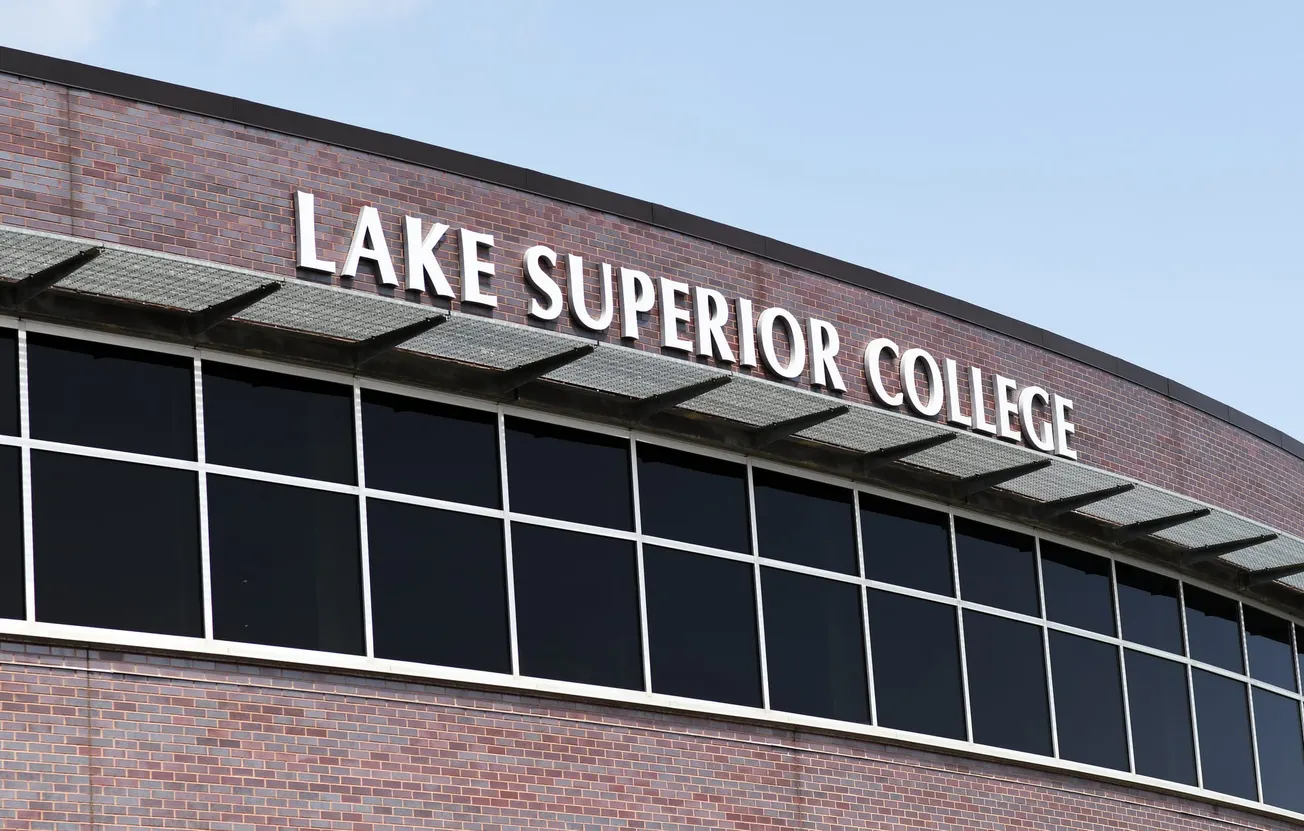
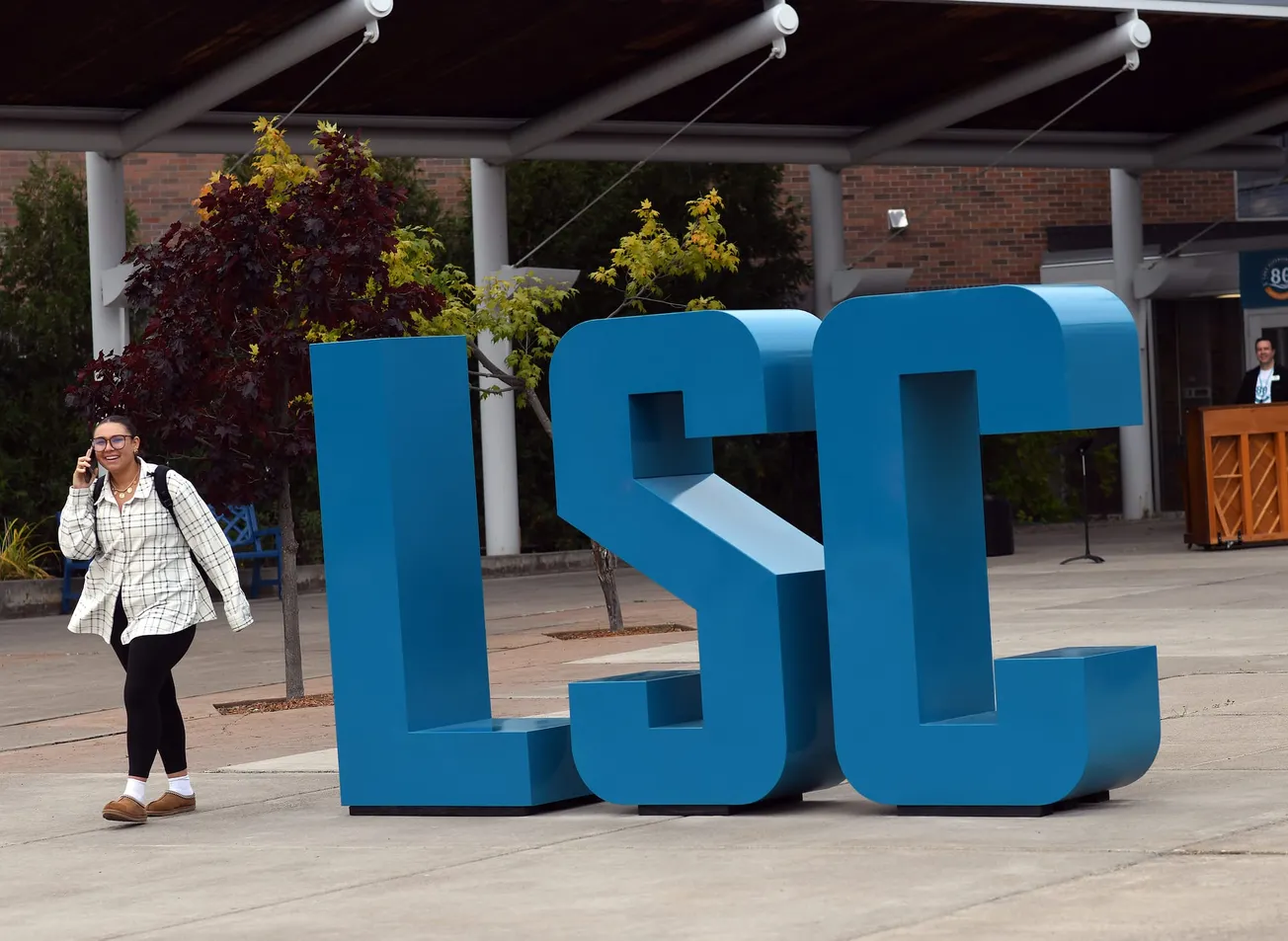
The parking lots are telling the story first. Drive past Lake Superior College on a Tuesday morning and the place feels alive in a way many traditional four-year campuses across the Twin Ports no longer do. Welding labs humming. Nursing students moving quickly between classes. Aviation programs filling hangars. Students carrying coffee in one hand and a hardhat in the other. Nobody there is pretending they are “finding themselves” for four expensive years.
They are trying to find a paycheck. And increasingly across Minnesota — and especially in the Twin Ports — that practical calculation is winning.
For decades, America sold one dominant higher-education script to high school students: Go away to a four-year college, accumulate a degree, absorb some debt, and the economic payoff eventually will justify everything. That formula worked reasonably well for generations. It also became deeply inflated, culturally romanticized and financially dangerous.
Now the correction has arrived. Traditional trade and community colleges are attracting students because they increasingly offer something four-year public and private colleges often cannot promise anymore: a direct line between tuition and employment. That is not anti-education. It is economics.

Minnesota’s higher-education system has faced years of enrollment decline overall, particularly at traditional institutions. Meanwhile, technical and community colleges increasingly are positioning themselves around workforce pipelines, certifications, healthcare programs, aviation, manufacturing, law enforcement, skilled trades and applied technology.
In plain English: students want careers that still exist. That matters in a place like Duluth.
The Twin Ports economy has always leaned practical. Shipping. Healthcare. Manufacturing. Transportation. Construction. Aviation. Public safety. Utilities. Mechanical work. The region historically rewarded people who could physically build, repair, weld, install, diagnose, operate and maintain things. A large share of local families still think that way culturally, even after decades of national messaging pushing “traditional college experiences.”
Parents around here increasingly are asking uncomfortable questions that universities do not always like hearing.
Why spend $120,000 on a four-year degree with uncertain employment prospects when a two-year technical degree can place somebody into a stable career almost immediately?
Why borrow massive sums for a general studies degree while employers across Minnesota desperately need electricians, nurses, dental hygienists, mechanics, HVAC technicians, linemen, machinists and pilots?
Why accumulate debt first and purpose second? Those are not cynical questions anymore. They are mainstream questions. And colleges like Lake Superior College have adapted faster than many traditional campuses.
The school has aggressively tied itself to workforce demand: aviation training, emergency response, healthcare sciences, manufacturing, transportation and technical certifications tied directly to regional employers. Students increasingly view education less as a coming-of-age social experience and more as a financial investment requiring measurable return.
That mindset shift is enormous. Traditional four-year institutions still matter deeply. Engineers, teachers, accountants, researchers, scientists and countless other professions require them. Universities also provide intellectual development, research capacity and cultural value that technical schools cannot fully replace.
But something changed after the Great Recession, accelerated after COVID-19, and now is fully reshaping enrollment behavior: Americans became far more skeptical consumers.
Students watch older siblings carrying loan debt into their 30s. They see graduates working outside their majors. They see companies removing degree requirements from job postings. They see artificial intelligence beginning to disrupt white-collar work once viewed as stable.
And suddenly the old prestige hierarchy starts wobbling. The electrician making six figures looks smarter than the communications major drowning in debt. The dental hygienist with zero loans looks smarter than the liberal arts graduate moving back home. The aviation mechanic with guaranteed employment looks smarter than the student still “figuring things out” at age 27.
That may sound harsh. It also increasingly reflects reality. Even culturally, the stigma around technical education has collapsed. For years, America subtly treated trade education as a secondary path for students who supposedly could not “make it” academically. That narrative now looks outdated and borderline absurd. Many technical programs are competitive, mathematically rigorous and tied to industries starving for talent.

Meanwhile, some traditional campuses are confronting an ugly demographic math problem. Fewer high school graduates. Rising tuition resistance. Public skepticism. Online competition. Declining faith in institutional authority. Families no longer automatically accepting that a bachelor’s degree — any bachelor’s degree — guarantees upward mobility.
The market is correcting itself in real time. And frankly, the correction was overdue. The Twin Ports may end up becoming one of the clearer examples of where higher education is heading nationally. Not the elimination of universities. Not the death of liberal arts. But a major recalibration toward practical value, regional workforce alignment and shorter, cheaper educational pathways tied directly to employment.
That is exactly where community and technical colleges thrive. The old college sales pitch was aspiration. The new sales pitch is survival. And right now, survival is winning.