Howie's daily column is sponsored by Lyric Kitchen Bar.
John Fedo understood something about Duluth long before much of the city understood it about itself. Lake Superior was not merely scenery. It was leverage. It was identity. And if Duluth ever hoped to survive the slow unraveling of the industrial Midwest during the late twentieth century, the city would eventually need to stop treating the waterfront like the backside of town and start treating it like the front door.
That idea now feels obvious because modern Duluth markets the lake almost constantly. The shoreline defines the city’s tourism economy, photography, recreation culture and emotional self-image. Visitors arrive expecting dramatic views, breweries, trails, festivals, Canal Park crowds and the rugged authenticity that has become Duluth’s national brand.
But older Duluth looked at the lake differently. The harbor mattered more than the shoreline. Ore docks mattered more than walking paths. Rail yards, warehouses and industrial infrastructure dominated the waterfront because Duluth had been built first as a working city, not a recreation destination. The lake was respected economically and feared geographically, but relatively few civic leaders initially imagined the shoreline itself becoming the emotional and economic centerpiece of modern Duluth.
Fedo did.
And whether residents loved him, distrusted him or fought him politically for years afterward, no mayor changed the trajectory of modern Duluth more profoundly than the man who forced the city to finally turn toward the water.
To understand why Fedo mattered, you first have to remember how emotionally uncertain Duluth felt during portions of the 1970s and 1980s. The city still possessed enormous strengths. The harbor remained globally important. University of Minnesota Duluth continued growing. Regional medicine already carried influence throughout northeastern Minnesota and northwestern Wisconsin.

But beneath those strengths sat anxiety. Manufacturing weakened throughout the Midwest. Downtown retail struggled against suburban expansion and changing shopping habits. Younger residents increasingly left for Minneapolis-St. Paul or beyond. Portions of downtown looked tired. Certain waterfront districts looked forgotten. Civic confidence often felt fragile beneath the surface. Most importantly, Duluth no longer felt entirely certain what kind of city it was becoming. That uncertainty shaped nearly every redevelopment fight of the era.
Some residents believed Duluth should double down on its industrial identity and avoid chasing tourism fantasies. Others increasingly recognized the city possessed one enormous advantage many struggling industrial communities elsewhere lacked: Lake Superior.
The lake was not just beautiful. It was economically powerful. Fedo recognized that reality earlier and more aggressively than most local leaders. He understood instinctively that Lake Superior carried emotional force capable of reshaping not only tourism but the city’s entire self-image. The waterfront could become more than geography. It could become identity.
That realization sounds simple now. At the time, it was politically risky. Duluth historically valued toughness. This was a labor city. Residents respected endurance, practicality and working-class seriousness. Tourism, to many longtime residents then, sounded suspiciously soft. There was skepticism toward consultants, planners and redevelopment language that seemed overly polished or overly promotional. Many feared local leadership increasingly cared more about attracting outsiders than protecting neighborhoods and working families who carried the city through harder decades.

Those concerns were real. And they never fully disappeared. Fedo governed directly inside that tension. What separated him politically was persistence. He recognized that cities decline psychologically before they decline physically. Once residents stop believing their community possesses a future worth investing in, stagnation accelerates quickly afterward.
Duluth flirted with that danger repeatedly during the late twentieth century. Fedo fought against it. The waterfront became central to that fight because visible transformation changes how residents think about themselves. Once people see redevelopment succeeding physically around them, they become more willing to imagine reinvention elsewhere.
That mattered enormously in Canal Park. Younger residents inherit the finished version now — hotels, restaurants, breweries, festivals, condominiums and tourists crowding the Lakewalk every summer weekend. But before redevelopment momentum fully arrived, portions of Canal Park carried more rust than optimism.
Warehouses dominated stretches of the district. Industrial remnants lingered visibly. Large portions looked tired, underused and economically uncertain. There were legitimate doubts whether tourism redevelopment could succeed on the scale local boosters imagined.

Fedo kept pushing anyway. And history ultimately sided with him. The significance of Canal Park was never merely about hotels or restaurants. It was about psychological repositioning. Duluth slowly stopped behaving like a city hiding from its geography and started embracing it completely.
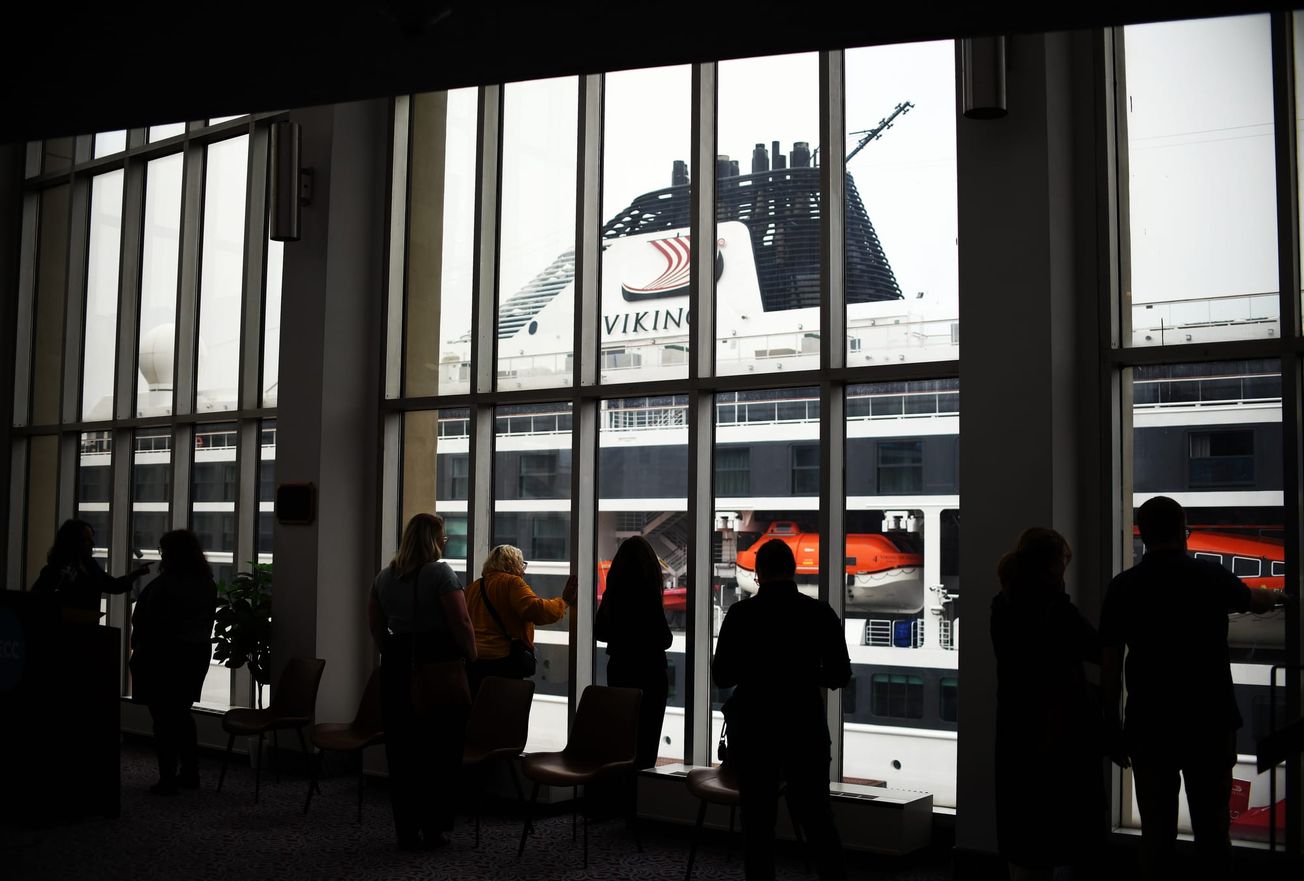
Lake Superior transformed from industrial backdrop into economic strategy. The shoreline became civic theater. Visitors no longer arrived simply to conduct business or pass through town. They came to experience fog rolling off the lake, waves crashing below the Lift Bridge, marathon weekends, shipping traffic, rocky trails and the raw physical atmosphere unique to Duluth itself. That authenticity became one of the city’s greatest long-term advantages.
Unlike many struggling industrial cities elsewhere in America, Duluth did not need to manufacture identity artificially. The lake already provided identity. The weather already provided drama. The harbor already provided history. Canal Park simply created visibility and access around assets sitting there all along. Fedo helped unlock that politically.
And once the waterfront strategy started succeeding visibly, momentum accelerated beyond what many skeptics expected. Hotels multiplied. Restaurants expanded. Festivals grew. Tourism strengthened. Private investment followed public investment. Duluth increasingly marketed itself nationally through imagery tied directly to Lake Superior and the waterfront experience.

The psychological posture of the city changed with it. Residents started speaking about Duluth differently. Less defensively. More confidently.
That confidence eventually spread far beyond Canal Park itself. Outdoor recreation culture accelerated. Downtown optimism strengthened. Entrepreneurs reconsidered the city. Younger residents increasingly imagined futures inside Duluth rather than automatically planning exits toward larger metropolitan areas.
Fedo did not create all of that alone, obviously. No mayor ever truly does. Large civic transformations always involve business leaders, planners, private investors and residents willing to adapt alongside changing realities. But Fedo established the direction. He forced Duluth to reconsider what kind of city it could become after the industrial peak years faded. That remains his defining legacy.
Critics, of course, never disappeared. Some residents believed the waterfront strategy increasingly favored tourists and downtown interests more than ordinary neighborhoods. Others argued local government embraced image-management politics while taxes remained difficult and infrastructure concerns persisted elsewhere throughout the city.

Some still believe that today. And parts of those criticisms contain truth. Modern Duluth continues wrestling with the same tensions Fedo governed through decades ago. Tourism success created new economic pressures. Housing affordability worsened. Property values climbed. Summer weekends increasingly made portions of Canal Park feel disconnected from the working-class identity that shaped Duluth for generations.
Some longtime residents quietly wondered whether the future being marketed nationally still fully included the people who carried the city through the harder industrial years before reinvention arrived. Those tensions remain unresolved because successful redevelopment rarely eliminates conflict. It simply changes the arguments communities have about themselves.
But there is also another reality impossible to ignore. Without the waterfront transformation, modern Duluth likely looks dramatically different. Smaller. Economically weaker. More isolated. More psychologically defeated. Instead, the city gradually reinvented itself around a resource sitting beside it all along. Lake Superior became leverage. Canal Park became proof.
And Fedo became the mayor most responsible for convincing Duluth to finally face the water instead of turning away from it.