

Howie's daily column is sponsored by Lyric Kitchen Bar.
There are concerts, and then there are acts of remembrance that refuse to let history go quiet. On Wednesday, April 29, at 6 p.m., inside Weber Music Hall at the University of Minnesota Duluth, the music will carry more than melody. It will carry names, stories and, in many cases, final voices.
“Music and Words From Terezin” is not just a program. It is a confrontation — with history, with memory, and with the unsettling truth that even in one of humanity’s darkest chapters, people still created beauty.
Terezin — or Theresienstadt — was a Nazi concentration camp, but also something stranger and more haunting: a forced gathering place for artists, composers and intellectuals. In that contradiction, music survived. It wasn’t meant to. It did anyway.

Composers like Viktor Ullmann, Hans Krása and Gideon Klein wrote chamber works, operas and songs inside the camp, often in the final months of their lives. Many were later killed at Auschwitz.
That is the music Duluth will hear. And that is where Dr. Allan Friedman enters the story.
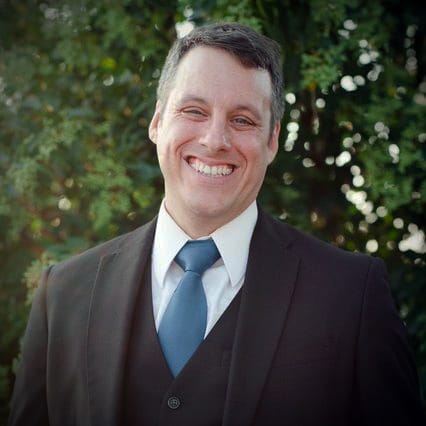
Friedman, a Duluth native who now directs the Duke Chorale at Duke University, has spent a career immersed in the intersection of music, history and human expression. He is not simply a conductor. He is, in many ways, a translator — someone who helps modern audiences understand what older music was trying to say.

His credentials read like a roadmap of that mission. He holds a doctorate in choral conducting from Boston University, with scholarly work focused on Russian Jewish choral music, and has spent more than two decades conducting ensembles and teaching music history.
But the more telling detail isn’t the résumé line. It’s the focus.
Friedman has composed a Holocaust cantata titled With Perfect Faith and built a career around choral music that connects history, identity and community. That matters here. Because Terezin isn’t just about music. It’s about why the music existed at all.

Inside the camp, conductor Rafael Schächter secretly assembled choirs, staging performances with limited resources and even a single smuggled score. These performances were not just artistic exercises — they were acts of resistance, a way for prisoners to assert identity and dignity in a system designed to erase both.
Music became defiance. That’s what makes a night like this in Duluth feel different from a typical recital. You will hear student voices — from UMD and Duluth East High School — but you will also hear something layered underneath them. The echo of a place where music wasn’t optional, but necessary. Where it served as both refuge and protest.

And in a city like Duluth, where history is often told through steel, shipping and survival, this becomes something else entirely: a reminder that culture is not a luxury. It is a lifeline.
There’s also something quietly fitting about Friedman’s return to his hometown for an event like this. He left Duluth, built a national career, and now comes back not with spectacle, but with substance — with a program that asks an audience to listen carefully, not just to sound, but to meaning. That’s a harder ask in 2026 than it should be.

We live in a time where attention is fragmented, where history is often reduced to hashtags and headlines, where remembrance can feel performative instead of personal. Events like this cut through that. They slow the room down. They insist that people sit with something uncomfortable — and necessary.
Holocaust remembrance isn’t about nostalgia. It’s about warning. And the music of Terezin carries that warning in a way speeches never quite can. Because these weren’t composers looking back. They were living inside it. Writing in real time. Creating under the shadow of something they could not escape.

Which raises the question every audience member will carry into Weber Hall that night, whether they say it out loud or not: What does it mean that they still made music? The easy answer is hope. The more honest answer is something deeper — obligation. A refusal to disappear quietly. A decision, even then, to leave something behind.
That’s what Duluth will hear on April 29. Not just a concert. A message that survived when so many did not.