If they ever hand out medals for ribbon-cutting endurance, half this town will need a bigger mantel. You can always tell when the show’s about to start. The first clue isn’t the podium; it’s the elbowing. Dignitaries jockey for the best camera angle, assistants hover with clipboards, and someone inevitably whispers, “We need to get so-and-so up front.”
The ribbon lies across two gold stands like a prop in community theater. A dozen hands reach for the same pair of scissors. Everyone’s smiling, everyone’s important, and everyone knows the cameras are rolling. That’s the new rhythm of civic life: the performance before the progress.
I’ve watched it evolve over fifty years of covering this town. What used to be a short announcement has turned into a production. City Hall, the chamber, the development agencies, the foundations — all of them have discovered the power of stagecraft. Each event needs a script, a backdrop, a hashtag, a lineup of “key voices.”

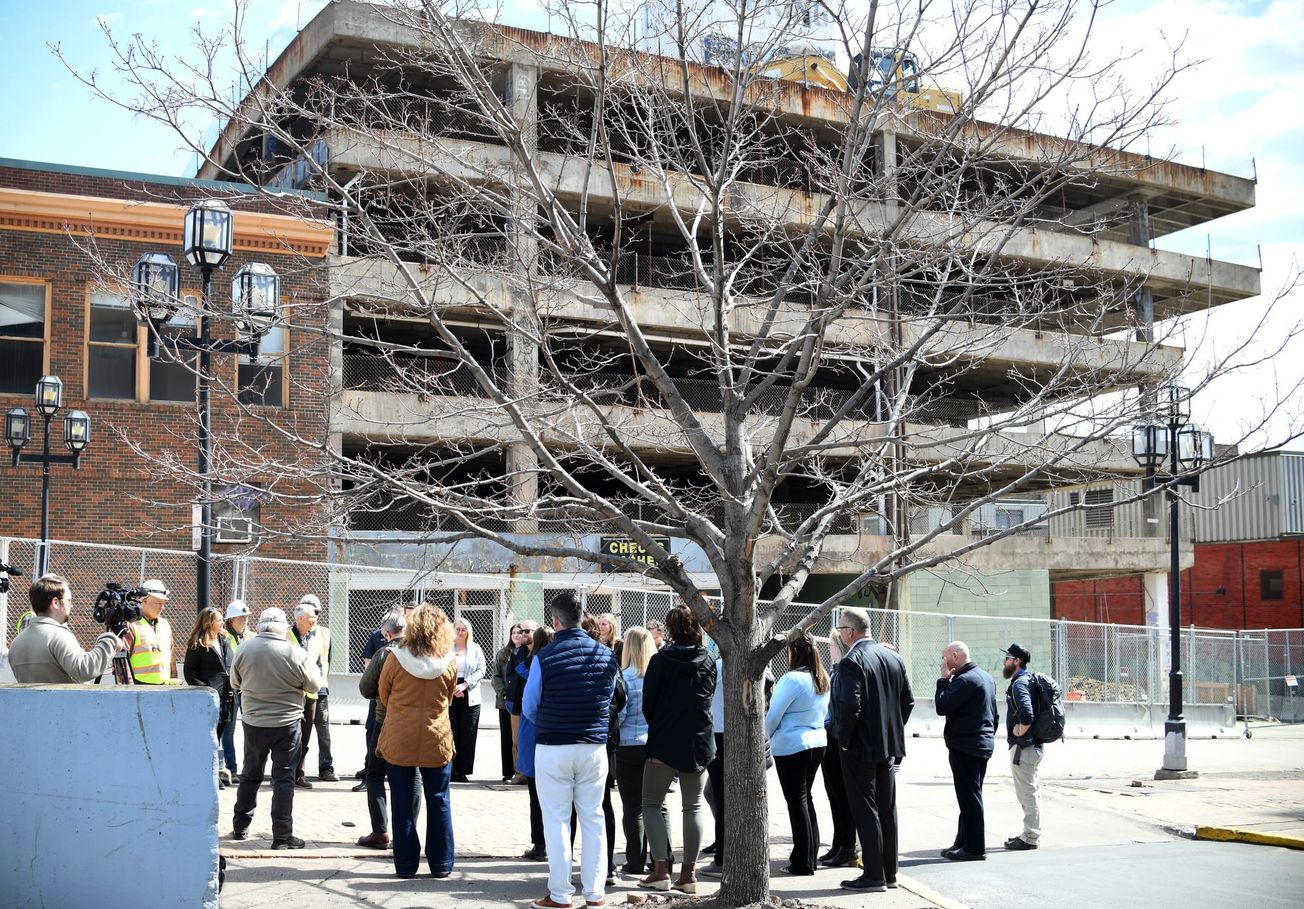
The setup is always the same. You arrive early, thinking you’ll hear some news. Instead, you watch the pre-show choreography: who gets the center seat, who gets the first quote, who gets to wave the scissors. The people who actually built the project stand in the back, half out of frame, waiting for the speeches to end so they can go back to work.
Once upon a time, the mayor would have delivered the statement and taken questions. Today, it’s a parade: the chamber president, the foundation director, the contractor, the sponsor, sometimes even the marketing firm. Everyone has a message; no one has a question.
It’s funny until it isn’t. Because while the dignitaries fight for airtime, the substance gets smaller. We hear about “transformative partnerships,” “historic investments,” “next-generation initiatives.” Words that could mean anything, and usually mean the same thing: another press event.

Meanwhile, the reporters — many of them fresh out of journalism school — stand dutifully with recorders raised. They’re good kids, earnest, hungry. But they’ve been trained in the new rules: don’t interrupt the performance; amplify it. Clip a quote, snap a photo, file the story before lunch. The result isn’t journalism; it’s stenography with a byline.
I don’t blame them. Newsrooms are thin. Deadlines are constant. But the effect is the same: the show writes itself. Call a press conference, give the talking points, and by five o’clock it’s headline news. The public sees the same smiling faces on television and thinks, Well, someone must be doing something. From my chair, it looks more like civic karaoke — everyone singing the same tune, slightly off-key, pretending it’s new.

Back in the ’80s, a press event meant news. You could feel tension in the room: reporters ready to pounce, officials sweating the details. The hard questions came first, the photo op last. Now it’s reversed. Today’s version starts with applause and ends with applause, and any real scrutiny gets buried between the coffee urn and the closing remarks.
Duluth isn’t unique in this. It’s happening in every mid-sized city in America. The new currency of leadership is visibility. You’re judged not by budgets balanced or streets repaired, but by how many times your face appears on a feed. The ribbon-cutting is no longer the celebration of work done; it is the work.
Even the language has changed. Bureaucrats talk about “storytelling.” Agencies measure “engagement.” Consultants advise officials to “own their narrative.” Somewhere along the way, public service became public relations.

What the average television viewer sees, though, is obvious and a little desperate. They can spot the canned excitement, the repeated buzzwords, the self-congratulation. They can tell when a leader’s explaining versus performing. You can’t fool people forever, especially in a town where everyone shops at the same grocery store.
I’m not against optimism. I’m against choreography masquerading as transparency. I’d trade ten photo ops for one unscripted briefing where a mayor or manager says, “Here’s what’s working, here’s what isn’t, and here’s what we still don’t know.”
There’s real courage in that kind of honesty. It doesn’t trend well, but it builds trust. The sad part is that some of our civic institutions think this spectacle is what the public wants. They hire “strategic communications teams” and “community engagement specialists” to keep the story positive. The story, of course, is them.

Every now and then, a new generation of staffers will ask me for advice about “getting coverage.” I tell them the same thing I told mayors thirty years ago: Do the work, and the story will find you. But that’s old-fashioned thinking in an era when metrics matter more than merit.
Maybe that’s why these ceremonies feel so hollow. They’ve become the civic equivalent of a reality-TV reunion — familiar faces, scripted emotions, predictable applause.
If you linger after the cameras pack up, you’ll see the truth. The crowd disperses. The backdrop is folded into a van. The PR team huddles over footage. The site workers return to their tasks. The moment fades, replaced by the next event on the calendar.

And yet, amid the absurdity, there’s a strange kind of affection. We’re Duluthians. We clap politely. We roll our eyes. We know these people mean well. We just wish they’d save the performance for Grandma’s Marathon weekend and spend the rest of the year governing.
The next time you see a ribbon-cutting on the evening news, look past the scissors. Notice who isn’t talking — the planners, the inspectors, the residents who’ll live with the outcome. They’re the real story, standing quietly in the back, out of focus.
If I could rewrite the script, I’d start there. No stage lights, no scripted cheers. Just a handful of people explaining what they’ve built, why it matters, and what it will cost to keep it running. Short, honest, unproduced.
Until that day, the civic theatre will go on, complete with its familiar cast: the dignitaries battling for center frame, the reporters trying to stay objective while juggling deadlines, and the rest of us watching from home, wondering when the next act begins.
The curtain never really falls in Duluth. It just slides to the side long enough for the next press conference to set up its microphones.

Howie's daily column is powered by Lyric Kitchen Bar in Downtown Duluth. Contact Howie at HowieHanson@gmail.com