Table of Contents
Howie's opinion column is powered by Lyric Kitchen · Bar | eMail Howie
I’ve been around the Wild long enough to know when they're trying to outrun their own history. Thursday night, they didn’t jog. They sprinted.
Quinn Hughes is a breathtaking hockey player. There’s no debating that. He skates like the ice owes him money. He controls games from the blue line the way only the truly elite defensemen ever have. When he’s on the ice, everything tilts — pace, possession, confidence. He’s the kind of player who makes coaches look smarter and goaltenders look calmer.
But this trade wasn’t just about adding talent. It was about declaring a direction. And it came with a price tag that should make every Wild fan who lived through the Parise-Suter years instinctively sit up straighter in their chair.
Because this is the kind of move that feels exhilarating today and constricting later.
Bill Guerin didn’t nibble. He emptied the cupboard. A top-line center. A premium young defenseman. Another former first-rounder. A future first. That’s not roster tinkering — that’s a franchise pivot. When you make a deal like this, you’re saying you believe your window is open right now, and you’re willing to risk tomorrow to reinforce it.
That’s bold. It’s also dangerous.
The Wild just finished paying off the most expensive mistake in team history — the long, grinding salary-cap fallout from committing too much money, for too long, to too few players. Those buyouts weren’t just numbers on a spreadsheet. They were lost depth, lost flexibility, lost seasons where good teams couldn’t become great ones because the math wouldn’t allow it.
Now here comes another superstar defenseman with another massive contract decision looming.

Nobody needs to explain Hughes’ value. What needs explaining is the assumption that this time will be different.
Hughes plays enormous minutes. He absorbs contact. He relies on elite skating to separate himself. That’s not a criticism — that’s the reality of his greatness. But those are also the kinds of traits teams quietly worry about when contracts stretch into a player’s mid-30s.
The Wild didn’t make this trade planning to let him walk. That’s fantasy. They made it knowing the extension is coming, knowing the cap hit will be massive, knowing future roster decisions will bend around it.
This is a bet that Hughes ages cleanly, that his body cooperates, that the cap continues to rise, and that the surrounding cast can be managed without suffocation. It’s a bet that Minnesota can finally pull off the superstar contract that doesn’t end in regret.
That’s not paranoia. That’s history talking.

Yes, Hughes makes the Wild better immediately. Yes, he pushes them closer to Colorado and Dallas. Yes, he changes how opponents prepare for Minnesota. All of that is true.
But this move also compresses the margin for error. Drafting and development matter less now because the pipeline has been drained. Cheap contributors become essential because expensive stars dominate the books. There is no longer room for many mistakes.
This is no longer a patient build. It’s a declaration that patience is over.
If it works, Guerin will be hailed as the executive who finally gave this franchise its true north star. If it doesn’t, this will be remembered as the moment the Wild willingly stepped back onto the cap tightrope — eyes open, hands steady, hoping the fall never comes.
Minnesota has chased relevance before. It found it. Then it paid for it for nearly a decade.

That’s the risk here. Not the player. Not the talent. The commitment.
And anyone who tells you otherwise hasn’t been watching long enough.
. . .
THEY CAN CALL THEM exhibition games if they want. That word always sounds like something you squeeze in politely before the real show starts.
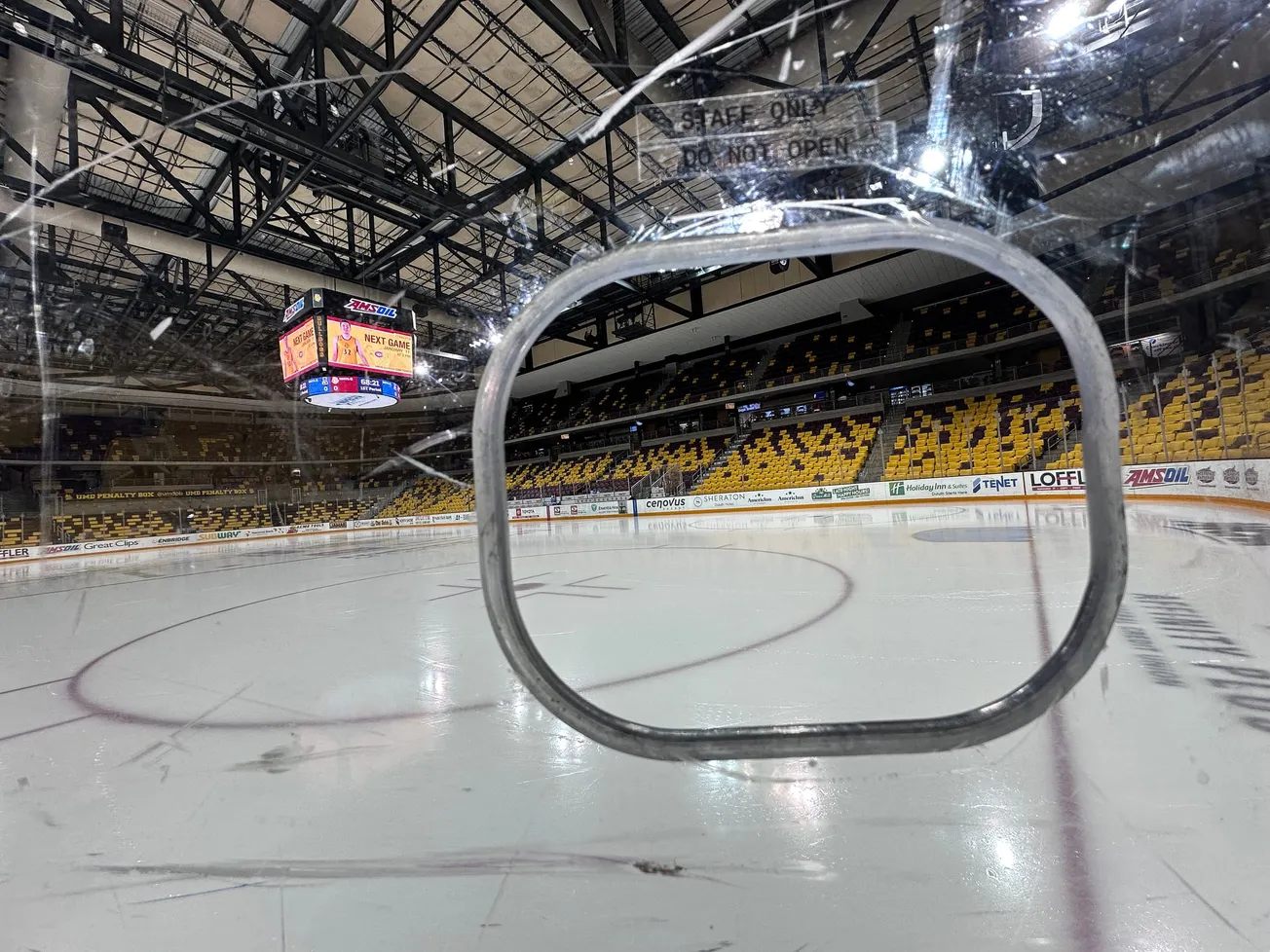
But in Duluth, these aren’t throwaways. They’re the opening act — and everyone who knows hockey understands exactly how loud opening acts can get around here.
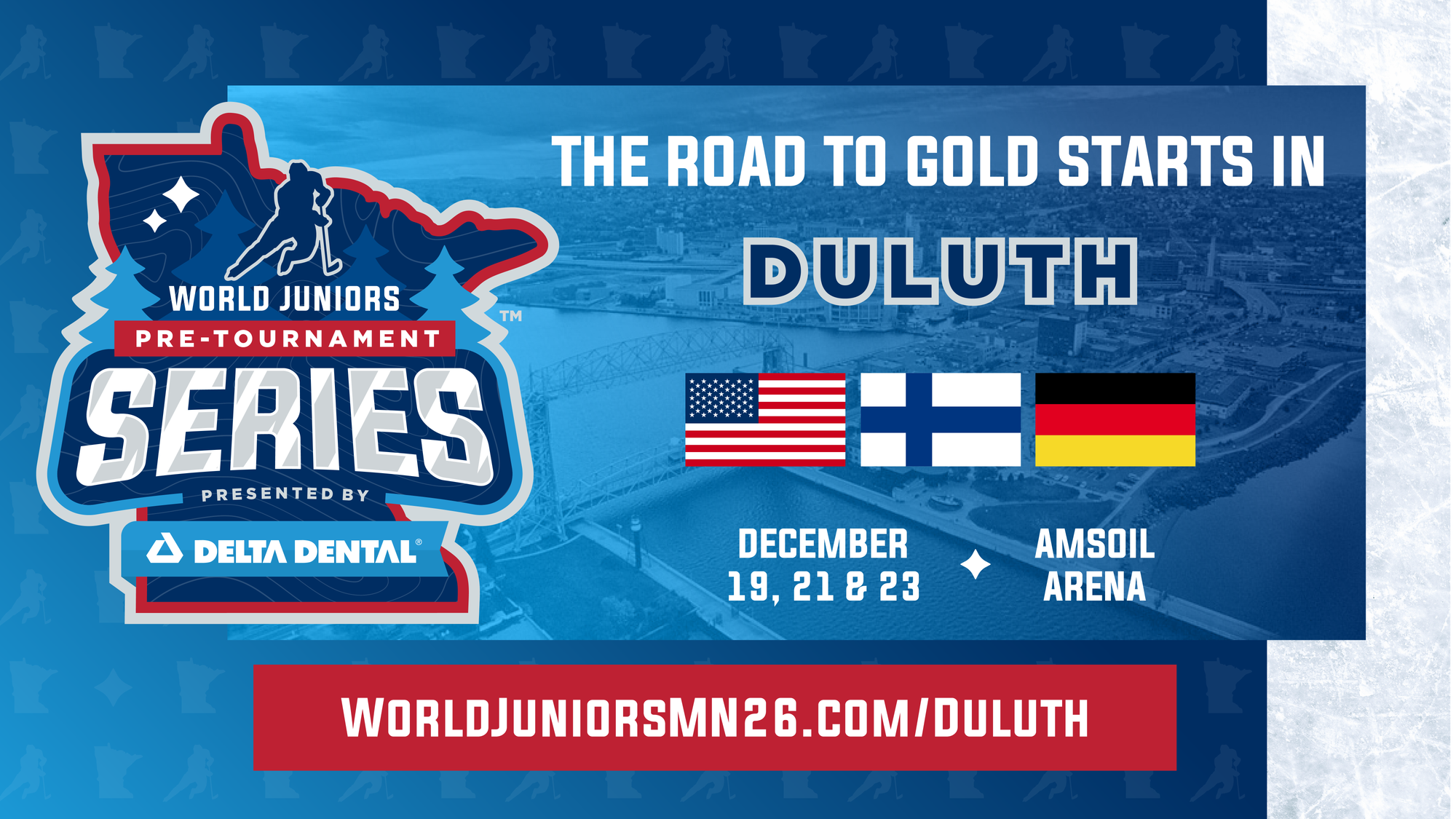
The World Junior Championship is coming to Minnesota, a full-blown, world-class hockey event with the planet’s best under-20 players, future NHL stars skating on borrowed time before life turns professional. And while the medal rounds will live in the Twin Cities, the tournament truly begins in Duluth, where three international exhibition games will be played at the DECC before the games start counting in the standings.

Three games. Three nights. Three chances for the hockey world to figure out what it has walked into.
Finland. Germany. The United States. Flags behind the glass. National anthems bouncing off concrete that has seen everything from NCAA championships to Olympic tune-ups to about a million kids convincing themselves they could someday play here. These games may not decide gold medals, but they decide tone — and Duluth has always been very good at setting tone.
That’s not marketing. That’s history.
What elevates this from “nice host city” to something more meaningful is who’s on the ice. UMD’s Max Plante and Adam Kleber are on the U.S. roster, and they’re not here to soak in the moment. They’re defending gold medalists, veterans of this tournament before most fans finish their second cup of coffee. They know how fast it gets. They know how unforgiving it can be. And now they get to skate those games at home, even if the sweaters say USA instead of Bulldogs.
That’s a powerful visual.

When Plante touches the puck at the DECC, the crowd won’t need an introduction. When Kleber leans into a board battle, there will be that low, approving murmur Duluth reserves for players who know what they’re doing. This building doesn’t cheer hype. It reacts to competence.
And that’s what the international hockey world is about to experience up close.
These three exhibition games aren’t footnotes. They’re the moment when scouts recalibrate, when broadcasters stop treating Minnesota like a charming outpost and start treating it like a development hub. They’re where Sweden and Finland and Germany get a firsthand look at a city that doesn’t sell hockey — it lives it.
The rest of the tournament will move on. Saint Paul and Minneapolis will take the spotlight. Medals will be handed out. Stories will be written.

But the tone? The edge? The reminder that this sport is still rooted in cold air, sharp passes and quiet confidence?
That starts in Duluth. Three games at the DECC. World-class hockey. Bulldogs wearing gold medals. The world easing into Minnesota hockey the hard way.
Exactly how it should.
Howie, 71, is a veteran Duluth print journalist and publisher of HowieHanson.com, which he has operated for 21 years. He is the region’s first and only full-time online daily columnist, covering local news, politics, business, healthcare, education and sports with an independent, community-centered voice. Hanson has spent more than five decades reporting on issues that shape the Northland.