Table of Contents

Howie Hanson is Minnesota’s Columnist, writing about power, money, sports and civic life across the state. This column is sponsored by Lyric Kitchen . Bar of Duluth.
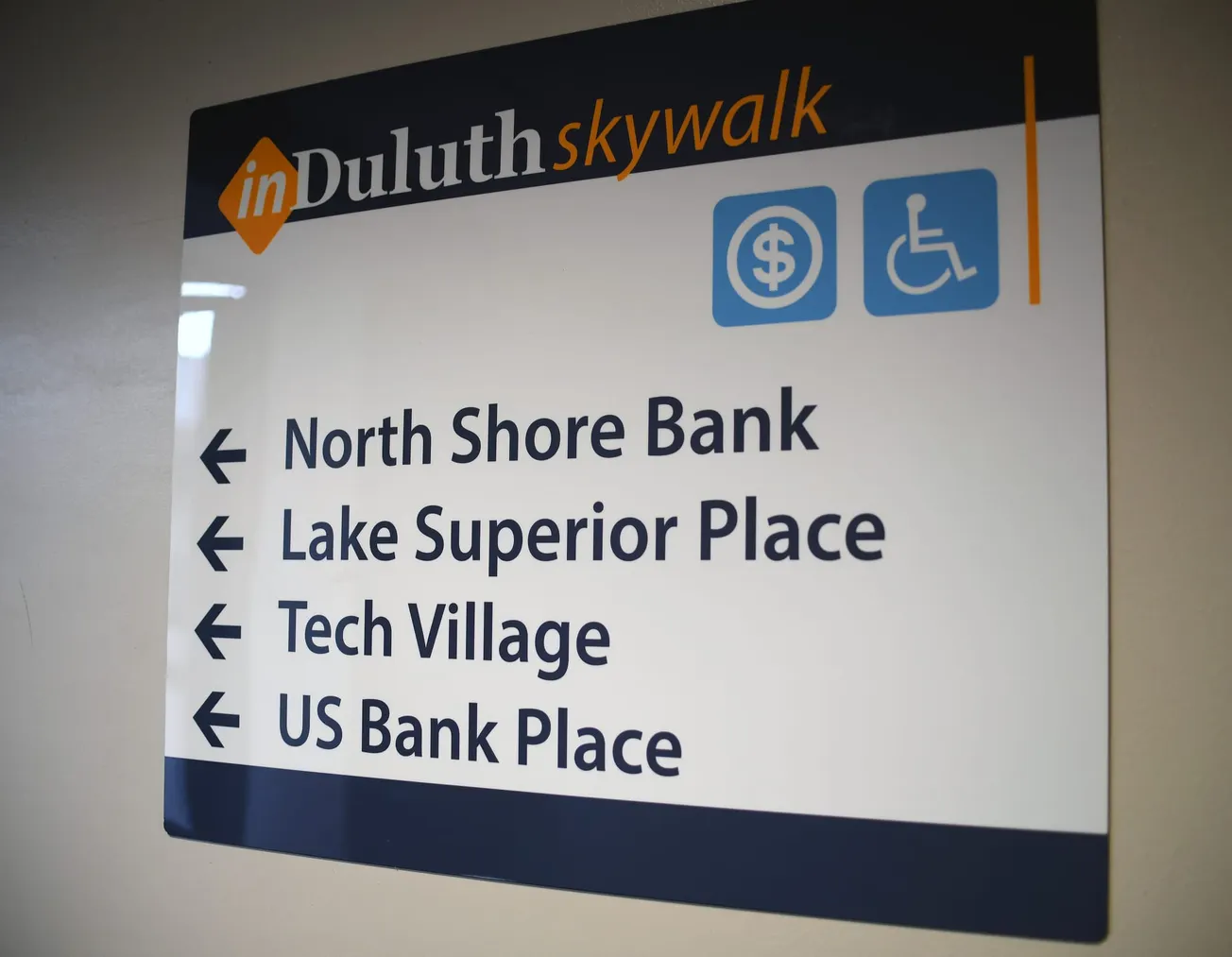
Duluth’s skywalk system is not dying. It has already aged out.
Consultant Michele Reeves put it plainly last week: what was once a bold initiative has become, in many stretches, “a bunch of hallways.” She wasn’t being cruel. She was being honest.
The model has eroded for decades. COVID didn’t create the decline. It accelerated it. Work-from-home hollowed out daily office traffic. Pedestrian counts were never systematically tracked, which means the city doesn’t even have hard data to defend the system’s relevance.
What it does have is a price tag.

Upgrades could exceed $40 million, and that’s before uncovering structural repairs. The typical lifespan of elevated pedestrian systems runs four to five decades. Most of Duluth’s segments are already there.
This is the part where cities reveal who they are.
Some double down. Some dismantle. Some quietly let systems wither.
In Des Moines, leaders chose reinvestment, but cautiously — limited capital, targeted improvements, not a blank check. In Cincinnati, deconstruction began in 2005 as retail shrank and security costs climbed. Minneapolis still leans on its extensive skyway network, but post-pandemic conversations there increasingly focus on street activation. Calgary maintains its Plus 15 system while aggressively funding street-level programming to avoid an empty core.

Warm-weather cities never embraced second-level retail in the first place. Moderate cities often regret it. Cold cities are split — and the ones gaining momentum are the ones treating sidewalks as economic infrastructure.
So what makes sense for Duluth?
Start with the truth: downtown has too many vacancies. Too much unused office space. Too many buildings designed for a 9-to-5 workforce that no longer shows up five days a week.
The skywalk was engineered for a different downtown — one built around banks, utilities and insurance headquarters moving employees between ramps and desks without touching Superior Street.
That downtown is gone.

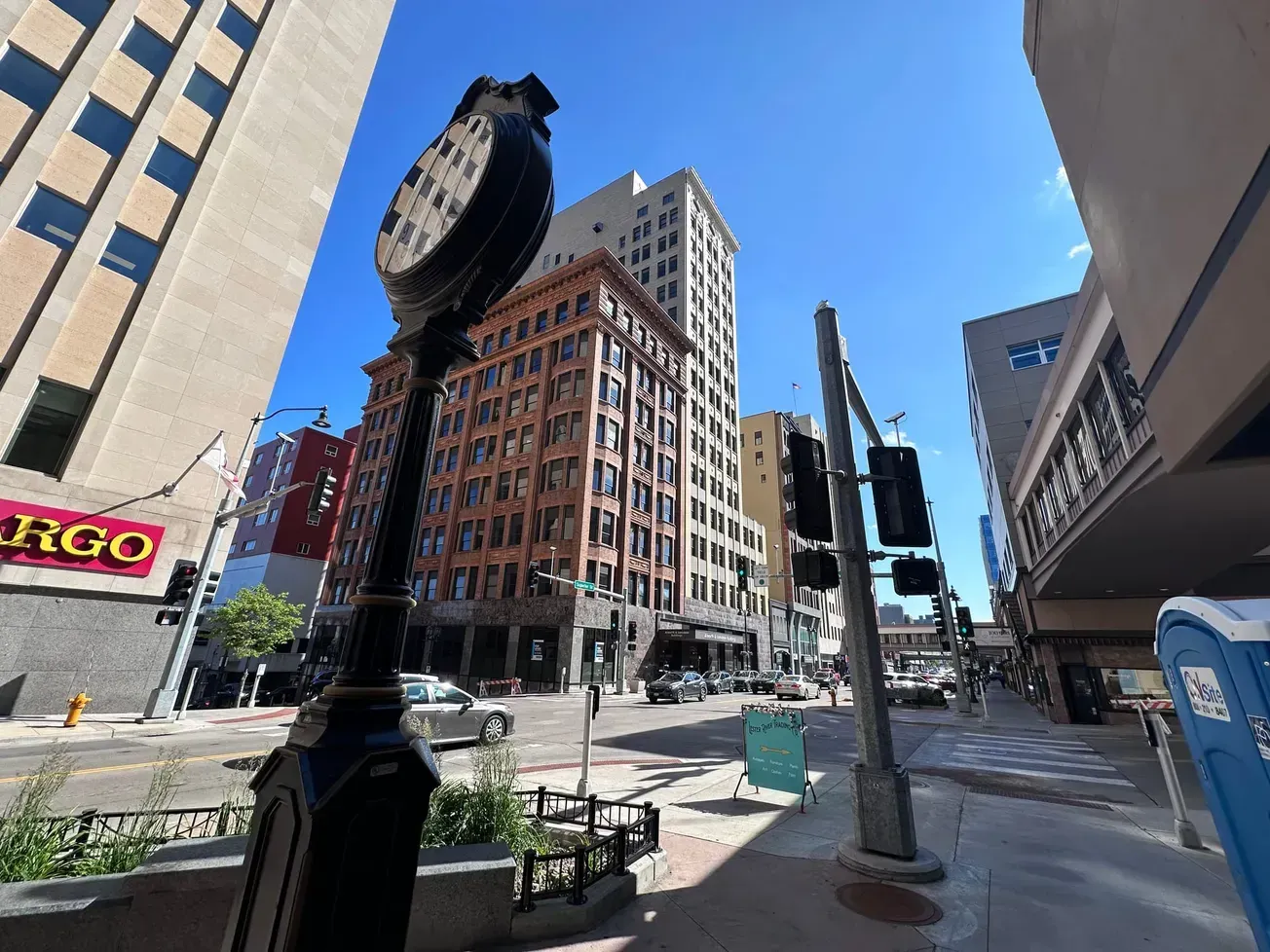
The future, if Duluth is honest, is residential conversion, hospitality, small business, entertainment and year-round tourism. That kind of downtown does not thrive in elevated corridors. It thrives on visible energy. Storefronts. Lighting. People.
And then there is safety.
When sidewalks feel unsafe, people retreat upward. When skywalks are empty, they feel unsafe too. Elevation does not fix perception. It just relocates it.
Consultants have suggested paring the system rather than pouring scarce resources into a model that no longer attracts customers. The Northwest Passage linking downtown to the DECC will likely remain. That connection serves conventions, tourism and weather-sensitive events. It earns its keep.
The rest of the network demands harder questions.
Which segments connect active buildings versus vacant ones?

Which corridors serve daily foot traffic versus nostalgia?
What is the annual maintenance and security cost compared to the economic return?
And most importantly: are we investing in the past because we’re afraid to commit to the future?
Every downtown in America is redefining itself. Duluth is not unique in that struggle. Remote work reshaped the math everywhere. Retail consolidation reshaped it again. Safety perception complicates everything.

But the cities that are stabilizing are doing three things consistently: adding housing, concentrating activity, and prioritizing ground-level vibrancy.
Sidewalks are not cosmetic. They are economic engines.
If Duluth has $40 million to spend — or bonding capacity to secure — the first dollar should go toward street lighting, housing incentives, storefront activation, public safety presence and infrastructure that makes people want to linger at ground level.
Then evaluate which skywalk segments remain essential connectors.
This is not an emotional decision. It is a strategic one.

The skywalk once symbolized ambition. Today it symbolizes hesitation. Downtown does not need a museum piece. It needs density and belief.
Duluth can preserve the parts that serve its tourism economy and trim the parts that drain resources. That isn’t retreat. It’s alignment.
The real work is below the glass.
And that’s where downtown’s future will either stand — or walk away.